

























































As North Texans grapple with a surge in flu cases, health experts are turning their attention to a new influenza strain dubbed the "Super Flu." According to CBS News, local hospitals like Children's Health have reported significant jumps in flu cases since mid-December, with a particularly noticeable rise around the holiday season. Dr. Jeffrey Kahn of Children's Health noted that they've witnessed a "rather dramatic increase" consistent with regional and national trends.
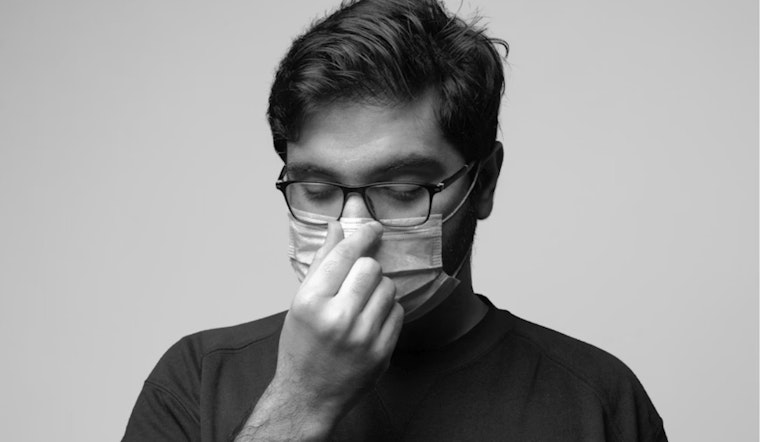
Indeed, this uptick is not isolated, as the trend mirrors increases seen across multiple states. During a period where Children's saw its cases spike, national flu activity more than doubled, leading to millions of flu-related illnesses and thousands of hospitalizations. Dr. Kahn cautioned that while vaccine effectiveness might be compromised by the new variant, antiviral therapies available continue to be effective. He also advised families to maintain basic precautions like handwashing, and for those who are immunocompromised, mask-wearing might be an additional layer of protection.
While local rising case numbers cause alarm, the World Health Organization (WHO) has been monitoring the spread of the so-called Super Flu, or subclade K, on a global scale. The Dallas Morning News reports that the subclade K variant is a genetically distinct subgroup of influenza A that's been detected in more than 34 countries. Currently, despite the spread, the WHO has not found any increase in disease severity associated with this new strain.
Regarding preventive measures, the WHO has indicated that current vaccines should still protect against severe illness and hospitalization. It's important, especially for those at higher risk of flu complications, to get vaccinated. However, the effectiveness against symptomatic infection may vary, which always makes it tough to predict exact outcomes each flu season. The WHO continues to monitor and assess the situation, updating guidance as new data comes in.





