

























































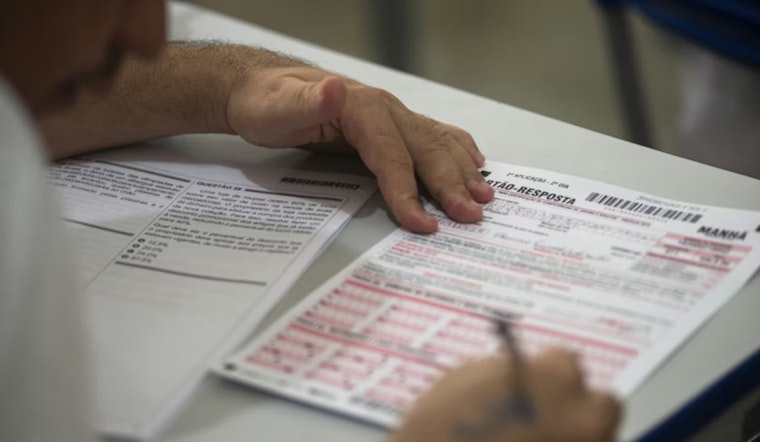
Tarrant County Republicans are easing off their high profile push to dump voting machines in favor of hand-counted ballots, at least for now. Party leaders say the March 3 primary will stick with the county’s current system while they keep debating whether to overhaul how votes are tallied in future elections.
GOP Pauses Push For March Primary
At a Jan. 8 executive committee meeting, county GOP officials told precinct chairs they will continue exploring hand-counting for future primaries but will not attempt it for the March 3, 2026 election, according to the Fort Worth Report. Precinct chair John O'Shea told the outlet that the party "is not doing a ballot hand-count right now but plans to pursue it," a clear signal that the idea is not dead, just delayed.
Big Legal And Logistics Hurdles
Under Texas law, moving to hand-count Election Day ballots would push parties away from countywide vote centers and back to precinct-level voting. That shift means more individual polling places, more workers, more training and more money. Election officials and outside experts warn that trying to flip that switch quickly could overwhelm staffing, strain budgets and jeopardize the state’s tight reporting deadlines for results. Similar headaches, including volunteer shortages and steep cost estimates, led officials in other large counties to rethink hand-count plans, as reported by The Texas Tribune.
What The County Uses Now
Tarrant County currently relies on a Hart InterCivic Verity ballot-marking and scanner system, a setup that produces a voter-verifiable paper trail and is publicly tested before use, according to Hart InterCivic. The Texas Secretary of State’s guidance notes that certified voting machines and tabulators are not connected to the internet and must go through public logic and accuracy testing before and after elections. Fans of hand-counting argue that paper-by-paper tallies feel more transparent, while election administrators counter that current procedures already build in several layers of verification, as outlined by the Texas Secretary of State.
Opponents Warn Of Cost And Disenfranchisement
Local Democrats and voting-rights advocates say a large-scale move to hand-count ballots would slow results, inflate costs and risk confusing or even discouraging voters, arguments that party leaders and civic groups have been voicing for months. County records show the Tarrant County election-integrity unit has fielded complaints without producing criminal charges, a point critics cite in claiming the current system has not yielded evidence of widespread fraud. Those objections and responses are laid out in coverage by KERA.
Other Counties’ Experiences Offer A Warning
Across Texas, several county GOP organizations have floated hand-count experiments only to pull back once they ran into funding gaps and staffing problems. Dallas County’s about-face is the clearest recent cautionary tale. Election administrators and watchdogs point to the 24 hour reporting requirement and the challenge of recruiting and training hundreds or thousands of ballot counters as major barriers, according to Votebeat. For now, Tarrant County Republicans say they will keep running tests and holding internal discussions while leaving this March’s process as is.
What Voters Should Know
For voters, the bottom line is simple: the March primaries will use the same machine-backed system Tarrant County already has in place. County and party officials say they plan to keep meeting, test how quickly volunteers can count, and weigh staffing and legal limits before deciding whether a hand-count is workable in a later election, according to the Fort Worth Report.





