

























































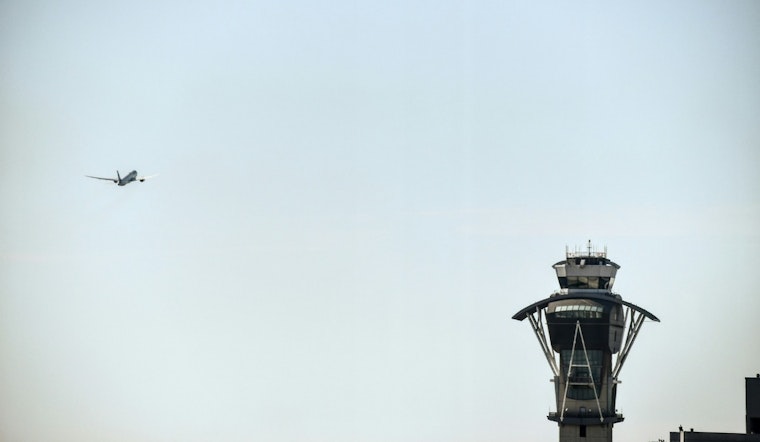
The U.S. is getting ready to overhaul its air traffic control system, according to an announcement from Transportation Secretary Sean P. Duffy and FAA Administrator Bryan Bedford. The current radar system, which dates back to the 1980s, is set to be replaced under a new initiative supported by the Trump administration and funded by the One Big Beautiful Bill, as reported by the U.S. Department of Transportation.
"While our air travel system is the safest in the world, most of our radars date back to the 1980s. It’s unacceptable," Secretary Duffy stated, according to U.S. Department of Transportation announcement, acknowledging the necessity for these upgrades, "Thanks to President Trump and the One Big Beautiful Bill, we’ll begin replacing this outdated technology to boost safety and enable the next big wave of innovation in our skies." The contracts for the new radar systems have been awarded to defense technology companies RTX and Indra.
The importance of the radar updates is clear when considering the age and limitations of the current system. FAA Administrator Bryan Bedford explained that many radar units have exceeded their intended service life, making them costly to maintain and difficult to support. According to U.S. Department of Transportation official website, Bedford said, "We are buying radar systems that will bring production back to the U.S. and provide a vital surveillance backbone to the National Airspace System." The replacement process, prioritizing high-traffic areas, will include up to 612 radar units and is scheduled to start this quarter with a completion goal set for June 2028.
Beyond the radar replacements, the FAA is also planning to consolidate the 14 different configurations currently used in the National Airspace System. This simplification aims to streamline maintenance and logistics. Last December, the FAA selected Peraton as the Prime Integrator to oversee the construction of the new air traffic control system and to work alongside RTX and Indra. Peraton has taken on initial priorities, including transitioning to modern fiber infrastructure, installing new voice switches, and deploying surface awareness systems at airports, throughout the country.
The rapid procurement and integrator selection are pioneering efforts by the DOT and FAA to reach the ambitious overhaul deadline by the end of 2028. This infrastructure update, part of a broader modernization effort, is poised to ensure continued safety and introduce innovation across American skies. More details on these transitions can be found on the FAA's official website.





