

























































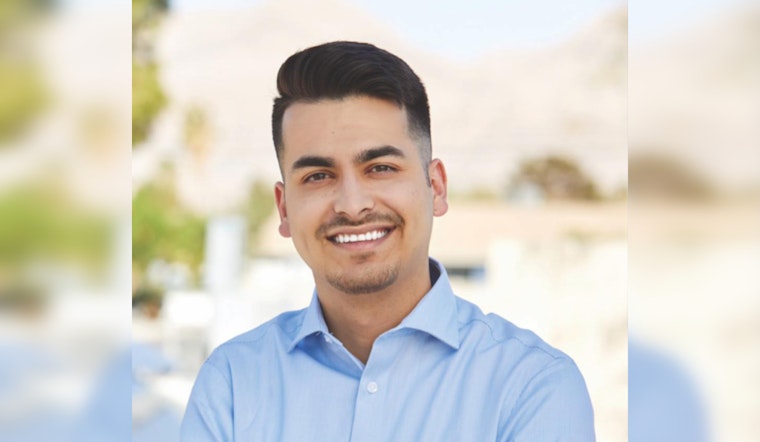
State Sen. Fabian Doñate says he was blindsided when he spotted a few loaded lines in a rural health grant application suggesting Nevada was gearing up to ask federal officials to block Supplemental Nutrition Assistance Program benefits from covering candy, sugary drinks and other "non nutritious" items. He told colleagues on Tuesday that the idea had never gone through a public or legislative vetting process and questioned whether the state has the money or technical muscle to actually police purchases at the register, as reported by Las Vegas Sun.
Doñate aired his concerns at a joint interim committee meeting, where Division of Social Services staff confirmed they have been talking about filing a waiver with the U.S. Department of Agriculture but have not submitted anything and have not budgeted money for enforcement, according to the Las Vegas Sun. Agency officials told lawmakers the concept started as a straight-up sugary drink ban and later expanded in internal talks to potentially cover energy drinks and certain gummy candies.
How This Fits Into A National Push
Nevada’s internal debate is unfolding as Health and Human Services and the U.S. Department of Agriculture urge states to tighten the list of SNAP-eligible foods under the "Make America Healthy Again" agenda, and the USDA has already approved waivers for a growing number of states, according to a USDA press release. Multiple outlets report that roughly 18 states have either sought or received waivers that curb purchases of soda, candy and similar products, and several of those states started enforcing new restrictions at the beginning of this year, as reported by Newsweek.
Retail Costs And Enforcement Headaches
Industry groups and policy analysts warn that making these rules work in the real world will not be cheap or simple. A report cited by The Associated Press pegs the initial cost for retailers at about $1.6 billion, with roughly $759 million a year in ongoing expenses to keep systems and compliance up to date. Previous USDA research and earlier federal resistance to similar ideas have found that such restrictions can be expensive, complicated to manage across different point of sale systems, and may not significantly shift what people actually eat.
What Lawmakers Are Demanding
Doñate and other legislators pushed state officials to commit to public hearings and a detailed financial roadmap before any waiver heads to the USDA, arguing that Nevadans who rely on SNAP should not be surprised by changes to what they can buy. Nevada has roughly 505,500 SNAP recipients and, according to national reporting, officials told lawmakers they have not formally filed a waiver and are looking at a potential rollout target in 2028, according to Newsweek.
What Happens Next
If Nevada does submit a waiver, the USDA would review the request and decide whether to tweak the program’s definition of allowable foods and grant Nevada flexibility similar to what other states have received. Retailers, anti hunger advocates and lawmakers are expected to demand more specifics during that process. The USDA’s recent approvals show the agency is open to state level experiments, but timelines and enforcement strategies look very different from state to state, according to a USDA press release.





