

























































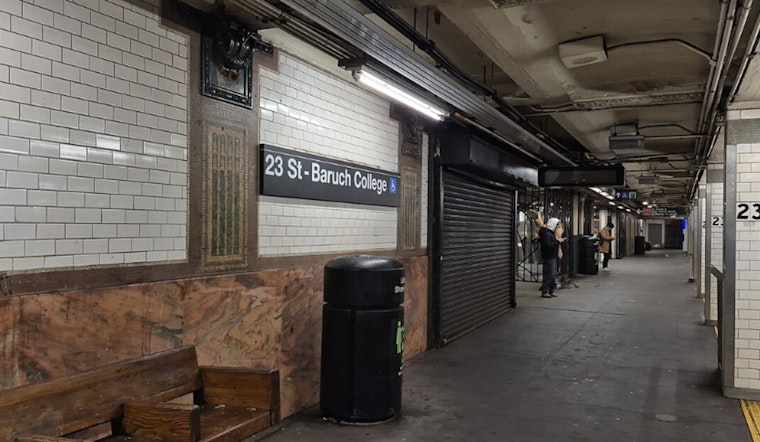
On Jan. 29, a subway rider in Manhattan was injured at the 23rd Street–Baruch College station after being struck by one of the MTA’s new fare gates. The individual sustained cuts, a black eye, and possible dental injuries. Additional passengers have reported that the pilot gates are confusing or may present safety concerns. The transit authority stated that it is making modifications to the machines as the pilot program continues.
Gail Buffalo told reporters, “The door slammed in my face,” describing cuts to her forehead, lip and gums that later developed into a black eye and suspected dental damage. The same NY1 report noted that another rider appeared to have a gash on his forehead after using the same type of gate. Buffalo said she felt like a “guinea pig” in the pilot and is worried about taking her young daughter through the new doors.
MTA Chair and CEO Janno Lieber has defended the pilot, saying the “number of what we call incidents have gone down dramatically” since the program began and that the agency is “still learning” and “making adjustments,” according to amNewYork. Lieber said crews are changing how sensors activate the doors and tweaking closing speed and travel. MTA Chief Customer Officer Shanifah Rieara told reporters staff are preparing customer-explainer videos and reviewing signage to help riders navigate the new panels.
What the Pilot Tests and Where
The MTA has shortlisted vendors including Conduent, Cubic, Scheidt & Bachmann and STraffic and says it plans to install modern gates at roughly 150 stations, with about $1.1 billion set aside for the work, according to the agency’s materials. The trial began late last year and currently covers a little over a dozen stations, with officials planning to expand testing to about 20 sites. The authority also says well over one million customers have already used the new doors, NY1 reports.
Viral Clips and Safety Questions
Videos circulating online show riders getting backpacks or limbs caught in the swinging panels, and a widely shared clip earlier this winter that briefly trapped a young child’s head at Broadway-Lafayette sparked particular alarm. Gothamist also noted that some riders and advocates are calling for a slower rollout and clearer on-site guidance, especially for families and people hauling luggage.
How Riders and the MTA Are Adjusting
MTA officials say current adjustments include sensor tuning and softer closing settings on the gates, and that staffers are filming explainer videos and updating signage to reduce confusion, according to amNewYork. Agency materials and station instructions advise riders to let each gate open fully before walking through and to use wider accessible exits when traveling with strollers or large bags. Officials say the pilot is meant to balance accessibility and fare enforcement while the designs are tested in real-world conditions.
Once the pilot data are reviewed, the MTA says it will pick a single design for wider installation and move forward with a systemwide program, according to the MTA. For now, both riders and transit officials say the test underscores the tradeoffs of modernizing a century-old system and the need for clearer guidance as these prototypes become part of the daily commute.



