

























































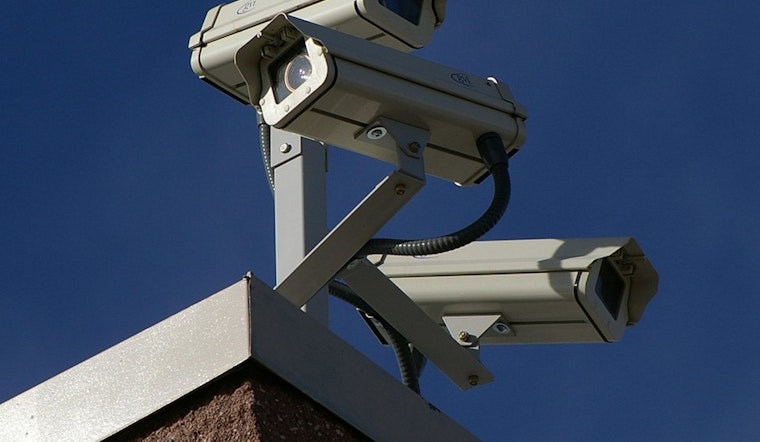
A once trouble-plagued stretch of Highway 7 in the west Twin Cities just turned in a near-miracle year on the road. After a year of targeted enforcement, the corridor between St. Louis Park and St. Bonifacius recorded zero fatalities in 2025 and a sharp drop in serious-injury crashes, authorities say. Police credit a leased, trailer-mounted AI camera and stepped-up patrols with pushing drivers to behave.
As reported by CBS Minnesota, Sgt. Adam Moore of the South Lake Minnetonka Police Department, who directs the Highway 7 Safety Coalition, said the camera helped officers conduct roughly 1,200 distracted-driving stops last year, up from about 300 previously. Moore told CBS he has been in discussions with the Minnesota Department of Transportation and the Minnesota State Patrol about putting similar cameras on other dangerous roadways around the state.
How the Camera Works
The device on Highway 7 is an Acusensus "heads-up" system that automatically photographs drivers who appear to be holding phones or not wearing seat belts, then forwards images to officers within seconds so they can decide whether to stop a vehicle, according to reporting by the Star Tribune. Officials say the stream of alerts at the outset fueled a heavy enforcement blitz, and that the alert volume slowed as drivers changed their habits.
Numbers and Enforcement
By one accounting, serious-injury crashes along the corridor fell to three in 2025 from an average of six, while fatal wrecks dropped from five in 2024 to zero, according to KSTP. The Highway 7 Safety Coalition formed after a $450,000 state grant that bankrolled stepped-up enforcement and outreach, and local outlets tracked the early push and public-education work through student PSAs and social campaigns; early coverage of that grant appeared in a story on the Hwy 7 safety coalition grant.
Sgt. Moore told CBS Minnesota the technology is not cheap, with the lease running about $15,000 per month, and the coalition is hoping to land a National Safety Council grant in March to keep the camera rolling. Officials warn that without sustained funding, the recent enforcement gains could fade.
Engineering Fixes Still Needed
Local leaders stress that enforcement is a short-term tool and that engineering changes are needed to lock in the safety improvements. A planning study that could lead to roundabouts, medians and other permanent fixes is tied to a MnDOT resurfacing project scheduled for 2029, according to the City of Minnetonka. Coalition members say they will push lawmakers for the money needed to turn the short-term enforcement wins into long-term design upgrades.
Officials view the recent numbers as evidence that a multipronged approach of enforcement, education and engineering can move the needle, but they caution that the job is far from done. Sgt. Moore sent a letter to state legislators on Jan. 29 asking them to prioritize Highway 7 safety funding, according to the Star Tribune, and coalition leaders say they will keep pressing for grants and legislative backing so the camera can stay in place while planners and MnDOT work on permanent upgrades.





