

























































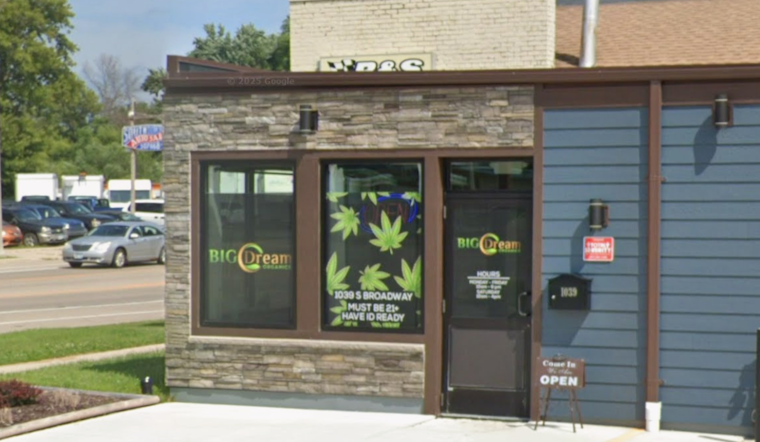
Albert Lea's City Council is set for a busy night on Monday, with a slate of proposed rule changes that could significantly reshape where and how cannabis and tobacco products are sold in the city. On the table are new caps on cannabis retail registrations, tighter background checks for applicants, and fresh limits on smoke-shop ownership. Councilors will also decide whether to sign off on a multimillion-dollar City Center renovation bid and take public input on several street reconstruction projects.
What the cannabis ordinance would change
The proposed cannabis ordinance would cap the number of cannabis retail registrations in Albert Lea at four, limit each owner to a single registered retail location, and require the city to close out any application that sits pending for more than 30 days when no registration slot is available. Those details, including language that the city will not hold applications indefinitely once the cap is reached, are laid out in Ordinance 26‑150. The four-shop limit would be an increase from last year, when the council signed off on two retail registrations, according to MPR News.
Tobacco and smoke-shop limits
A companion proposal would tweak the city’s tobacco rules to clamp down on how many dedicated smoke shops can operate and who can own them. Under the draft, Albert Lea would allow no more than four stand-alone smoke or tobacco stores, and no individual or entity with a significant financial interest could hold more than one of those licenses. Those limits are spelled out in Ordinance 26‑151, which is set for a second reading on Feb. 23.
Stronger checks before approvals
The cannabis draft would also tighten scrutiny on who gets in the door. It requires background checks before a registration can be approved, authorizing the chief of police to run Minnesota criminal-history checks and, when needed, submit fingerprints for a national review through the Bureau of Criminal Apprehension and the FBI. The ordinance further allows annual compliance checks and civil penalties for unregistered sales or other violations. Those enforcement tools are outlined in the city’s draft cannabis code and are intended to bring local oversight in line with state rules.
City Center bid and street projects on the docket
The meeting agenda is not all about vapes and edibles. The council packet includes a City Manager memo identifying a likely winning bid from WEB Construction totaling $1,462,627, plus roughly $97,000 in unplanned items, to remodel the City Center building. The memo also outlines bonding and other potential funding options. Council members will consider a resolution to accept the bid and award a contract, alongside a series of public hearings and bids for reconstruction work on Valley Avenue, Marshall Street, 14th Street and St. Mary Avenue. Details on the renovation bid and the rest of the agenda appear in the city’s packet and manager memo.
How to follow the meeting and offer comment
The council’s regular meeting starts at 7 p.m. on the top floor of City Hall at 221 E. Clark St. Residents can speak during the public forum or contact council members ahead of time. The city’s ordinances page includes the introduced ordinances, links to the meeting and contact information for the City Clerk for anyone who wants to submit comments or materials. According to the packet, the council plans to publish summaries if the ordinances are adopted at a second reading.
Local context
The proposed changes come after earlier zoning work and a temporary pause on new off-sale liquor, cannabis and tobacco applications, which the council adopted to give staff time to build a consistent regulatory framework. City zoning materials and prior council notices show officials have been trying to steer adult-focused businesses away from residential neighborhoods and the historic downtown as Minnesota’s legalization rollout continues to reshape the local rules of the game.





