

























































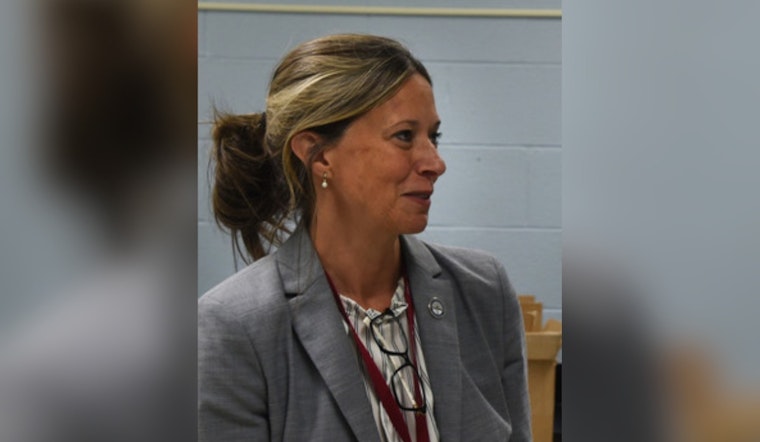
Dr. Amy Acton, the Democratic candidate for Ohio governor, used a Columbus union hall on Friday as her stage to demand what she called “immediate” help for homeowners struggling with rising property tax bills. Fresh off securing the endorsement of the Ohio AFL-CIO, Acton told union members that local levies are squeezing families and promised to use the powers of the governor’s office to get quick relief on the books while she finishes a broader tax blueprint. The remarks sharpened an already heated fight over how to ease tax bills that many Ohioans say have blown past what their budgets can handle.
Speaking to a crowd of labor leaders and rank-and-file members, Acton accepted the powerful federation’s backing and doubled down on her call for new state tax credits aimed at helping families cover health-care costs, according to Cleveland.com. She blasted a $1 billion income-tax cut enacted last year as tilted toward higher earners and said she will roll out the details of her own tax package later in the campaign. With the endorsement in hand, Acton now has a formal labor coalition behind her message on taxes and public services.
What the Legislature Already Did
Republican lawmakers and the governor are not exactly sitting on the sidelines. Late last year they approved a bundle of tax bills that sponsors say will deliver more than $3 billion in property-tax relief over time, as detailed by the Ohio House of Representatives. The package includes an inflation cap on certain tax hikes, adjustments to the 20-mill school-floor calculation, and an expanded owner-occupancy credit designed to soften sudden jumps in tax bills. The full breakdown of those measures is laid out by the Ohio House of Representatives.
Acton’s Critique And Pitch
Acton argued that last year’s income-tax cut put the emphasis in the wrong place and that state budgets should instead “give breaks to the rest of us,” framing the fight over tax policy as a question of basic economic fairness. “This is no longer a Democrat or Republican issue,” she told Cleveland.com. The outline she offered at the union hall leans on boosting state funding for schools, police and fire services so that local governments can scale back their reliance on property-tax levies, rather than scrapping those levies altogether.
Where Ramaswamy Stands
Acton’s likely Republican opponent, Vivek Ramaswamy, is pitching a very different fix. He has vowed to “slash property taxes immediately” as part of a broader drive to cut taxes and eventually phase out the state income tax entirely, setting up a stark contrast for voters heading into the fall. His campaign positions property-tax cuts and the end of the state income tax as central planks in his economic agenda. Those proposals are laid out in detail on Vivek for Ohio.
Ballot Push And The Fiscal Question
Adding another twist, a separate grassroots effort is collecting signatures for a constitutional amendment that would abolish local property taxes altogether. Organizers must gather about 413,488 valid signatures from at least 44 counties and submit them by July 1 in order to make the November ballot, according to local reporting. Gov. Mike DeWine and a number of state lawmakers have warned that wiping out property taxes could blow a hole in funding for schools and local services or force steep hikes in other taxes to make up the difference, local reporting notes. Coverage by WFMJ underscores how that citizen initiative is colliding with the newly passed legislative package in the same contested policy space.
Acton used the union endorsement to argue that Ohio should lean on state-driven solutions rather than racing toward outright repeal, promising to return with more specific proposals in the coming weeks. As the fight over Ohio’s tax future widens, from Statehouse reforms to ballot-box battles, Acton and her rivals are offering very different answers to the same core question: how to keep homes and essential services affordable without gutting the local budgets that keep cities and towns running.





.jpg)