

























































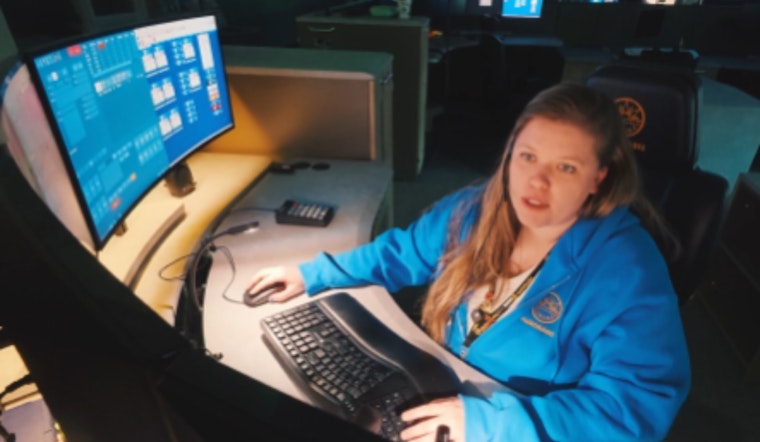
Aurora Fire Rescue and Aurora911 are set to flip the switch on Aurora Clinical Navigation on Wednesday, Feb. 4. The pilot telemedicine service will let some non-emergency 911 medical callers connect with a licensed physician by phone or video without ever leaving home, to speed care for low-acuity patients and keep ambulances and crews available for truly life-threatening calls. City officials say the effort builds on recent work to right-size medical responses so the most appropriate resource shows up for each situation.
Aurora Fire Rescue teased the rollout in an X post ahead of launch. A preview on AuroraTV described a partnership with a telehealth operator and said dispatchers will funnel certain low-acuity calls into the virtual-care pilot. For non-urgent concerns, residents are reminded to use Aurora's non-emergency dispatch line at 303-627-3100, per Aurora911.
How Aurora Clinical Navigation Works
Under the pilot, dispatchers will route callers who are triaged as low-acuity to clinicians who can assess symptoms by phone or video, offer treatment advice, arrange prescriptions when appropriate, and help coordinate follow-up care, according to MD Ally. The platform is set up to plug directly into 911 workflows and connect callers with in-network resources and social services when needed. City and vendor materials emphasize that this service is not meant to replace an emergency response for life-threatening problems.
Local Context And The Case For Tele-Triage
Aurora has already been shifting toward a tiered dispatch model. The city's "Right Response" approach and its Nurse Navigation program have referred more than 1,600 low-acuity medical calls to nurses since October 2022, with roughly a quarter managed at home and many others diverted to telehealth, urgent care, or clinic visits, the city reports. Supporters argue that virtual consults can preserve ambulances for emergencies and cut down on unnecessary transports. Local reporting has also documented staffing strains and longer 911 answer times in recent years, which officials cite as part of the rationale for alternate pathways to care, according to CBS Colorado.
What Callers Should Expect
If you are experiencing chest pain, severe difficulty breathing, major bleeding, or other life-threatening symptoms, call 911 immediately. For non-urgent police, fire, or medical needs, Aurora directs residents to 303-627-3100. Callers whose issues are triaged as low-acuity may be offered the option of a phone or video visit with a licensed clinician through the pilot. Participation will be voluntary and based on dispatch assessment, and city officials say they will track outcomes such as response times and how many calls are safely diverted from ambulance transport or emergency departments.
What's Next
The pilot begins on Feb. 4, and Aurora officials say they will review program data to see whether virtual navigation improves critical-call availability and patient experience. Residents seeking updates can consult AuroraTV and the city's public safety pages for the latest information.





