

























































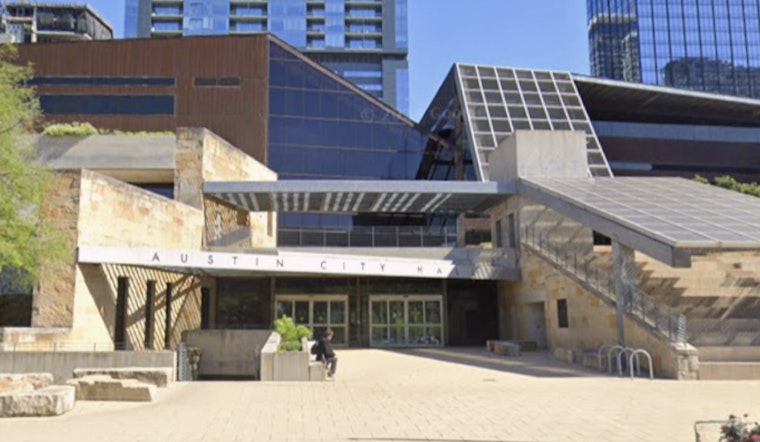
Austin City Council on Thursday signed off on an economic development deal to bring South Korea-based genetic testing firm 3billion to town, clearing the way for a North American lab and roughly 200 full-time jobs. The company is planning a roughly 13,000-square-foot facility with a multi-million dollar buildout and the ability to process tens of thousands of genetic tests each year. Council’s vote authorizes a jobs-based incentive package and lays out conditions for payments that are tied to hiring targets and verified performance. City staff and company officials say the move is intended to help anchor more life-science activity in Austin.
The council approved a Business Expansion Program economic development agreement that would award $1,000 for each eligible Austin hire over a 10-year term, with total incentive payments capped at an estimated $200,000, along with a transfer of $20,637 to the Childcare Assistance Reserve Fund, according to City of Austin. Staff project that the city could see about $2.3 million in fiscal benefits from the project over the same period. The report notes that incentives will be reimbursed only after property taxes are paid and an independent review confirms the company is in compliance, and that funding for the award will depend on annual appropriations to the Economic Incentive Reserve Fund.
3billion's plan for Austin
According to the staff report, the company’s U.S. affiliate plans to open a 12,994-square-foot genetic testing lab at 13620 Ranch to Market Rd 620, with capacity for as many as 50,000 tests a year and an estimated $8.1 million capital investment, per City of Austin. The report describes 3billion US, Inc. as the American arm of 3billion, Inc., a rare-disease genomics company headquartered in Seoul, South Korea. The project is expected to generate 200 full-time positions with an average salary above $95,000, and the company says it will deploy automated, AI-driven variant interpretation to help speed up diagnoses, according to 3billion.
Economic math and timeline
City staff estimate the project could return roughly $2.3 million in local tax and fee revenue over the 10-year term, while limiting direct city incentive payments to about $200,000. The lab could be up and running later in 2026, and council members framed the deal as a boost to Austin’s growing life-science cluster, as reported by Austin Business Journal.
What’s next for the project
The council’s vote authorizes the city to negotiate and execute the agreement, but the money is not automatic. Any incentive payments will require yearly budget approval and proof that 3billion has met its job creation and performance benchmarks before reimbursements go out. City staff included contact information for Austin Economic Development in the staff report for anyone seeking more details and emphasized that the agreement builds in independent verification steps to confirm the company is meeting all performance and compliance criteria.



