

























































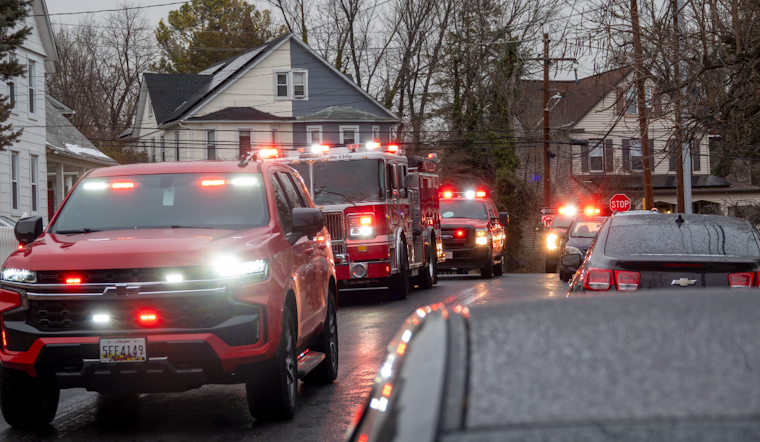
A long-running discrimination fight inside the Baltimore City Fire Department is not burning out just yet. A federal judge has handed down a split decision in firefighter Daniel Edwards’ civil rights case, clearing some of his allegations off the docket while keeping others alive and moving toward trial.
In a memorandum opinion filed this week, the U.S. District Court for the District of Maryland granted in part and denied in part the city’s motion for summary judgment and denied Edwards’ own motion, according to Shore News Network. The ruling cuts out several older, discrete claims as untimely but leaves more recent allegations within the filing window to proceed toward discovery.
The suit, filed in May 2024, is docketed as 1:24‑cv‑01350 in the U.S. District Court for Maryland, per Law360. The outlet’s case tracker lists the dispute as a civil rights employment case against the Mayor and City Council of Baltimore and shows the flurry of summary judgment briefing that led to this mixed ruling. With portions of the complaint now dismissed, the remaining claims head into the next phase of litigation.
According to court filings summarized by local reporting, plaintiff Daniel Edwards, a firefighter‑paramedic with the Baltimore City Fire Department since 2006, says he faced a racially hostile work environment at the Smokestack Hardy station known as Engine 13. He alleges colleagues told him he was “not Engine 13 material” and that he once found a soiled dinner plate and a mocking note in his locker, details reported by Shore News Network. The city has denied his accusations and argued that many of the earlier incidents came too late under administrative filing deadlines.
Why some claims were dismissed
The split outcome largely comes down to timing. Under federal rules for Title VII cases, discrimination charges typically must be filed within 180 days of the alleged act, or within 300 days in states like Maryland that have a fair employment agency, according to the U.S. Equal Employment Opportunity Commission. Those deadlines often allow courts to toss older, stand‑alone events while still letting newer conduct be litigated.
Here, the judge concluded that certain early episodes described by Edwards fell outside that actionable time frame. At the same time, the court kept January 2013 allegations in play for further review, leaving a narrower slice of the firefighter’s story on the table.
What this means locally
The partial ruling trims down what a Baltimore jury might eventually hear and tightens the timeframe for discovery, which can lower costs and limit the scope of the fight for both sides. For Edwards, the decision preserves a path forward on claims tied to more recent events. For the city, it shuts the door on a range of older, discrete incidents that will not be aired at trial.
For now, the case stays very much alive in federal court as attorneys prepare for discovery and the next round of motions. Filings and docket updates continue to appear under the same case number, and case‑tracking services show the summary judgment motions resolved in part while the surviving claims move toward the next set of scheduling deadlines, per Law360.





