

























































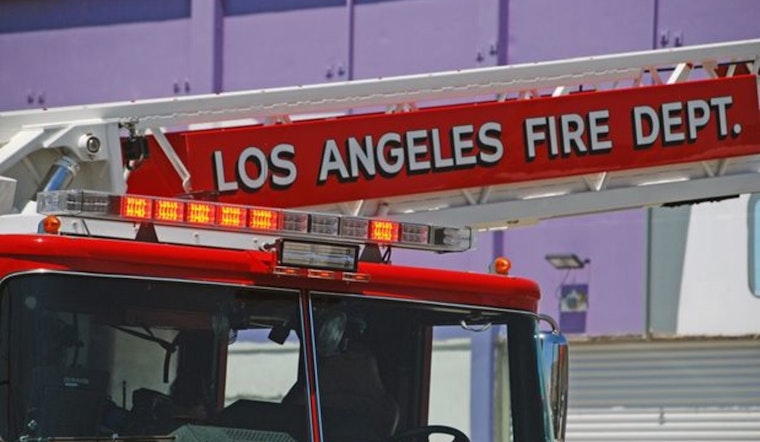
The Los Angeles Fire Department is turning up the heat on City Hall, urging tighter rules on lithium-ion batteries as a surge in battery-related fires strains the department’s hazmat crews. Capt. Richard Thompson, LAFD’s hazmat program manager, has warned investigators that chemical smoke from some of these fires can be especially hazardous, and he says he is pushing for policy changes to cut down on repeat incidents.
Thompson showed reporters the meters crews now use to test smoke for hydrogen fluoride and said the department has been logging dozens of battery incidents each week, roughly 45 per week, with at least one firefighter sidelined after a lithium-ion event. He told outlets he is lobbying the Los Angeles City Council for rules similar to measures adopted in other cities, according to ABC7 Los Angeles.
LAFD Says Crews Are Stretched Thin
Behind the scenes, the department has been asking city officials to lock in permanent hazmat positions, specialized response vehicles and ongoing training, arguing that current staffing and tools are not enough for the spike in battery incidents. LAFD told the Public Safety Committee it currently has only one unit that meets certain hazmat staffing standards and requested that other grant-funded positions be made permanent. Those committee presentations and budget pitches were summarized by Citizen Portal.
Why Battery Smoke Can Be Deadly
Scientific analyses show that when lithium-ion cells go into thermal runaway, they can release fluoride gases, including hydrogen fluoride and related compounds, which can cause serious respiratory and skin injuries and can form hydrofluoric acid when they contact moisture. Peer-reviewed testing has measured significant hydrogen fluoride emissions from commercial cells and warned that toxic gas release can be as big a threat as heat in many battery fires. Researchers have detailed these emission measurements and health risks in technical reviews and laboratory studies in Scientific Reports.
New York’s Model
New York City has already taken a hard line after a series of apartment and shop fires linked to uncertified micromobility batteries. The city now requires accredited testing and labeling, including UL standards for e-bikes, scooters and their batteries, and has launched a trade-in program to pull unsafe devices out of circulation. City leaders say certified batteries have passed aggressive testing and that enforcing laboratory certification helps reduce risks for residents and first responders. The program and related enforcement actions are detailed by the NYC Mayor’s Office and the Department of Consumer and Worker Protection’s micromobility notices.
Big Blazes Can Take Days to Tame
Lithium-ion battery fires do not always end when the flames die down. Damaged large packs or truckloads of cells can burn and off-gas for 24 to 48 hours, forcing road and port closures and long hazmat monitoring operations. LAFD has warned that these marathon incidents are the kind of calls that could become more common as more devices and storage systems move into dense urban spaces. A recent port-area truck fire carrying EV batteries that required extended operations was reported by the Long Beach Post.
How to Reduce Your Risk
Thompson’s advice for residents sticks to well-known fire-safety basics, tailored to today’s gadget-filled homes. He urges people to buy certified batteries and chargers whenever possible, avoid charging large batteries unattended or overnight, and keep charging devices away from bedrooms and combustible materials. Those simple precautions can lower the risk in homes and apartments while regulators and the fire department work on broader rules. LAFD’s safety tips were reported by ABC7 Los Angeles.
What City Hall Could Do Next
LAFD has asked council staff to note a department report and include a prioritized list of hazmat positions and equipment in the 2026–27 budget, while also urging consideration of certification requirements for certain micromobility batteries and chargers. Any ordinance modeled on New York’s approach would need enforcement resources and retailer compliance checks. The department’s presentation and the committee’s actions were summarized by Citizen Portal.
For now, Angelenos who rely on e-bikes, portable power packs or high-capacity chargers are being urged to treat those devices with care while the city weighs tighter rules and more hazmat funding. If the City Council moves to require accredited batteries and closer oversight, officials say it could help cut down on the battery incidents that are burning up hours of firefighting time and putting crews at risk.





