

























































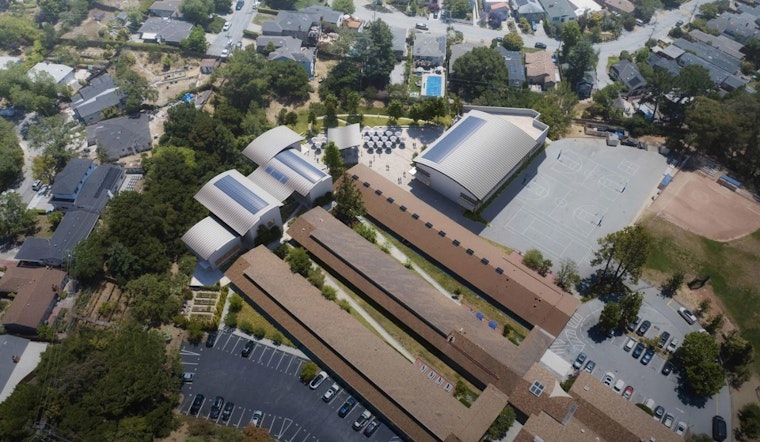
After nearly 20 years of saying no, Belmont is finally giving a green light. The Belmont City Council on Tuesday unanimously approved a two-phase expansion of the Charles Armstrong School, clearing the way for new classrooms and an athletic building that would let the private dyslexia-focused school serve roughly 30 additional students. The vote ends a two-decade impasse after a similar proposal was blocked in 2005 and moves the project into permitting and design review ahead of planned construction next year.
The plan raises the school's enrollment cap from 260 to 290 and calls for an approximately 11,900-square-foot academic wing with nine classrooms, a science lab, and a conference room. A second phase would add an 11,100-square-foot athletics building with a gym and commercial kitchen. According to the City of Belmont, the proposal also includes a new landscaped plaza, stormwater management systems and slope stabilization. As reported by the San Mateo Daily Journal, the Planning Commission recommended the plan in January and city staff said the San Mateo Consolidated Fire Department raised no emergency-access concerns during its review.
Project timeline and campus design
Charles Armstrong’s campus materials put Phase 1 construction as starting in late May 2026 and running through August 2027, with later phases and interior renovations staged over the following decade. The school says the new buildings are designed to tuck into the hillside and preserve tree canopy while modernizing classrooms and student spaces, as outlined on the Charles Armstrong School campus plan.
Neighbors raise traffic, noise and smell concerns
Not everyone is thrilled to see the shovels come out. Residents from Belmont and neighboring San Carlos told planners the expansion could worsen congestion around McDougal Park, make emergency access harder and disrupt the neighborhood's quiet, with some neighbors even objecting to potential odors from a commercial kitchen. Those complaints surfaced at both the Planning Commission hearing and during the council discussion, where opponents urged officials to protect the block’s residential character. As reported by the San Mateo Daily Journal, supporters countered that Armstrong already works to mitigate traffic and provides community benefits.
Why the school says it needs room
School leaders told city staff they are turning away families and need space to serve students with dyslexia and related reading challenges. The state’s move to require early screening for reading difficulties, part of SB 114 and described by the California Department of Education, is expected to increase demand for specialized instruction, and the school frames the modest enrollment increase as a way to meet that need while improving campus facilities.
What comes next
The council’s vote clears the policy changes needed, but the project still has to navigate detailed design, grading, tree-removal and building permits before any construction can begin. The city’s project page lists the entitlements, including a Planned Development amendment, Conditional Use Permit and Design Review, that staff will shepherd through the next technical steps.
Supporters at the meeting framed the vote as an investment in students’ needs, and the council signed off unanimously, setting up more community outreach and the next round of permit reviews as the school moves toward construction.





