

























































Bexar County is gearing up to supercharge a jailhouse intelligence hub that would sift through recorded inmate phone calls and other detention records using about $2.6 million in federal cash. The effort, tentatively called the Law Enforcement and Detention Intelligence Network (LEAD‑IN), would bankroll software that can transcribe, search and flag those recordings and jail‑linked records on a far larger scale. Sheriff Javier Salazar has told county leaders the goal is simple: turn a flood of jail data into faster, usable leads for investigators.
Where the money came from
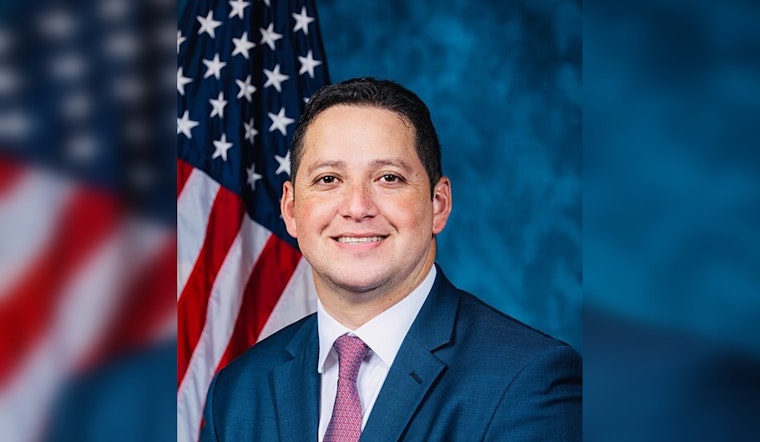
The $2.6 million appears in the FY‑26 community project funding disclosures filed by Rep. Tony Gonzales as a roughly $2.602 million request for a LEAD‑IN project. In those filings, the proposal is described as a Byrne/Byrne‑type request aimed at helping the sheriff’s office analyze detention‑linked intelligence. The submission is listed on Representative Tony Gonzales' disclosures.
What LEAD‑IN would do
The expansion would build on an existing detention intelligence team and, county staff say, would not require new hires. The proposal centers on software that can transcribe, search and analyze inmate calls and other jail‑related records so analysts can pull out leads more quickly instead of slogging through thousands of recordings tied to a single case. These program details and the sheriff’s description of the unit’s role were reported by the San Antonio Report.
The detention intelligence team has already drawn internal praise for disrupting serious plots. Local coverage highlighted a recent murder‑for‑hire scheme that deputies uncovered after spotting coded language in monitored inmate calls. That probe led to multiple arrests and prompted Sheriff Salazar to commend the unit for heading off further harm. The Express-News covered that case and the sheriff’s remarks.
Legal, privacy and budget questions
County commissioners pressed officials on civil liberties, data ownership and oversight as they walked through the plan. Sheriff Salazar and other BCSO leaders told the court that inmate communications, with the exception of attorney‑client calls, are already recorded and that certain analytic steps would still require judicial warrants, while routine detention intelligence would rely on records the county already collects lawfully. Reporting on the discussion also notes that officials expect it could take 12 to 36 months for the federal funding to arrive and that, once the grant is spent, the sheriff’s office would have to justify keeping LEAD‑IN within a department budget that already tops $200 million. Those oversight and timing details were reported by the San Antonio Report.
For now, BCSO is selling the expansion as a force multiplier. The technology, the sheriff’s office argues, would speed up evidence review for gang cases, contraband smuggling investigations, missing‑person searches and other time‑sensitive work. County leaders will have to balance those promises against privacy concerns and long‑term budget pressures as the federal paperwork and procurement grind forward.





