

























































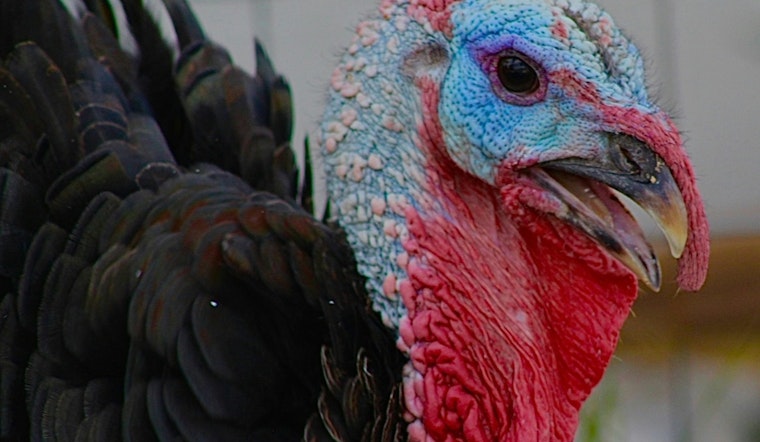
A Boone County commercial breeder turkey farm just northwest of Indianapolis has been hit with highly pathogenic avian influenza, and state animal health officials say roughly 18,763 birds are now in the hot zone. The confirmation has triggered a flurry of control and surveillance measures, plus testing at nearby poultry and dairy operations as crews map out any possible spread.
The Indiana State Board of Animal Health listed the infected flock in its February situation updates and has set up a 10-kilometer control zone around the site, plus a 20-kilometer surveillance zone that spills into neighboring counties, according to the Indiana State Board of Animal Health. Poultry and dairy farms inside the control area will be tested, and movement restrictions are in place to keep the virus from hitching a ride to other barns.
Officials have also confirmed related detections elsewhere in Indiana: a commercial meat-duck operation in Elkhart County with nearly 3,000 birds, and a separate case earlier this week at a Sullivan County turkey farm housing 45,686 birds. Local reporting notes that the state has not released the names or precise locations of the affected operations. WWBL and Hoosier Ag Today carried the initial state announcements.
Food safety and public risk
For everyone wondering about the grocery cart, federal health and food safety agencies say the risk to consumers remains low, and that properly cooked poultry and eggs, along with pasteurized dairy products, are safe to eat. The Centers for Disease Control and Prevention and the U.S. Department of Agriculture recommend standard food-safety steps, including cooking poultry to an internal temperature of 165°F, and emphasize that pasteurization protects milk and dairy products, according to the CDC and the USDA Food Safety and Inspection Service.
Why this matters in Indiana
Indiana punches above its weight in poultry, with a dense network of turkey, duck, and egg operations that feed regional and national supply chains. When a commercial site tests positive, the ripple effects can be fast and expensive for nearby growers, processors, and support businesses. Local ag coverage has shown how quickly testing and control zones can expand once the virus surfaces in a commercial barn, raising the stakes for everyone inside those rings, as reported by Hoosier Ag Today.
What farmers and neighbors should do
Purdue Extension and state officials are urging producers to tighten biosecurity right away: limit access to barns, disinfect equipment and footwear, restrict movement between farms, and keep domestic poultry away from wild birds as much as possible. Purdue Extension maintains a resource hub for HPAI guidance, and anyone who sees sick or dead domestic birds is asked to report them and call the USDA Healthy Birds Hotline at 1-866-536-7593. State reporting resources, including local contacts and forms, are listed on the Indiana Board of Animal Health site, BOAH.
Compensation, depopulation and next steps
If depopulation is required, USDA’s Animal and Plant Health Inspection Service provides indemnity and compensation for destroyed birds along with some cleanup costs, and APHIS has updated rules that include biosecurity audits before restocking to stay eligible for future indemnity. Producers affected by a confirmed HPAI event will work with APHIS case managers on inventory, indemnity paperwork, and allowable reimbursement. Details are available from USDA APHIS.



