

























































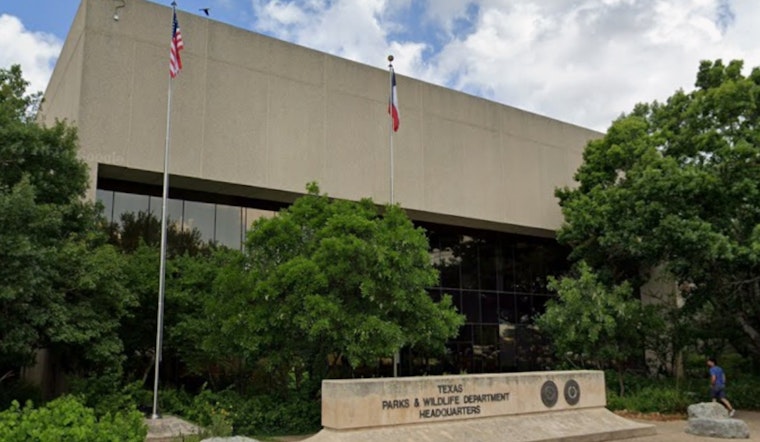
Highly pathogenic avian influenza is making an unwelcome appearance in the Texas Panhandle, with state wildlife officials confirming cases in wild birds around Amarillo and Lubbock. Residents are being urged to steer clear of sick or dead birds, keep pets and backyard flocks away from shared water and feeding spots, and hold off on feeding wild birds in known trouble areas. The warning lands in the middle of a multi-year outbreak that has already hit wild birds, backyard flocks and some commercial operations across the United States.
TPWD issues Panhandle alert
According to the Texas Parks and Wildlife Department, recent testing has confirmed HPAI in wild birds in the Amarillo and Lubbock areas, and the virus "continues to circulate" in those populations. TPWD is asking the public to avoid unnecessary contact with wildlife, stop feeding birds in spots where they are crowding together, haze birds away from heavily used water sources, and call a TPWD wildlife biologist if they spot birds that are off-balance, acting strangely or turning up dead without an obvious cause.
The agency also notes that some mammals can catch the virus and is telling wildlife rehabilitators to quarantine any suspicious cases and report them, rather than risk spreading infection through well-intentioned care.
Local health offices weigh in
The City of Lubbock Public Health Department is backing up TPWD's advice and adding its own local instructions. Residents are being told not to touch any sick or dead birds and to report carcasses to Lubbock Animal Services at 806-775-2057, according to Lubbock Public Health. Nearby towns such as Ransom Canyon have posted their own public-safety notices about coordinated cleanup efforts after recent storms left waterfowl stranded or dead around local waterways.
Officials are stressing that removal should be handled only by trained crews wearing protective gear, both to reduce the chance of virus spread and to keep well-meaning residents from putting themselves at risk.
What this means for farms and producers
State monitoring shows detections in both wild birds and domestic flocks in recent months, and the Texas Animal Health Commission is tracking affected locations. Its list of impacted premises includes a January 6 detection in Carson County and a December 15, 2025, commercial flock quarantine in Shelby County that involved about 265,000 birds. State officials are telling poultry producers that tight biosecurity is nonnegotiable and that sudden, unexplained deaths in a flock should be reported to authorities immediately, according to the Texas Animal Health Commission.
Federal partners are continuing surveillance and testing efforts, including the USDA-APHIS National Milk Testing Strategy and pre-movement testing for lactating dairy cattle, all aimed at limiting spread among livestock and protecting the broader food supply.
Risk to people and pets
Public health agencies say the immediate risk to most people remains low. That said, anyone who has close or lengthy unprotected contact with infected animals or contaminated environments faces a higher risk and should take basic precautions, according to the Centers for Disease Control and Prevention. The CDC recommends monitoring exposed workers for 10 days, using appropriate protective equipment when handling animals or carcasses, and getting medical care if flu-like symptoms show up after a known exposure.
Pet owners are being told to keep cats and dogs away from sick or dead birds and to skip bringing any wild bird into homes or vehicles, no matter how tempting it may be to try a rescue.
State officials are reminding residents to report sick or dead poultry to the Texas Animal Health Commission at 1-800-550-8242 and to contact their local TPWD wildlife biologist with concerns about wild birds. Anyone who thinks they may have been exposed is urged to tell their health care provider about that contact, the agencies say.





