

























































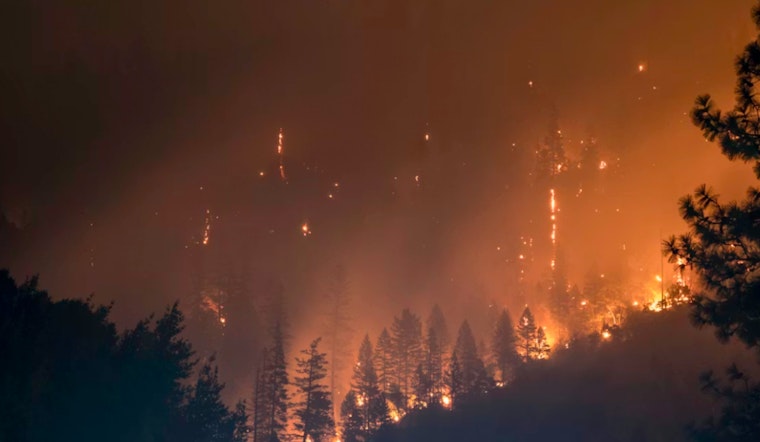
North Carolina is heading into spring wildfire season with the deck stacked against it. State officials warned Monday that much of the state is still unusually dry, which means those "quick" yard burns and casual campfires can turn dangerous in a hurry. As people fan out for spring cleanup, officials are asking for patience, a bit of restraint, and plenty of common sense around anything with an open flame. With moisture deficits lingering across the Piedmont and mountains, even a routine chore can touch off a fire that spreads fast.
Officials Issue a Blunt Warning
The N.C. Forest Service has been sounding the alarm, and North Carolina Emergency Management helped amplify the message by resharing it on social media. The guidance highlights that escaped yard debris burns and unattended campfires are still among the top ways wildfires get started, according to WECT.
State Agriculture Commissioner Steve Troxler is urging residents to focus on prevention, not cleanup speed, and to work with their county ranger before striking a match. That includes getting a burn permit and following a basic checklist of safety steps, as summarized by FOX Carolina.
Where the Dryness Is Worst
The latest U.S. Drought Monitor map, released last Thursday, shows broad stretches of North Carolina in moderate to severe drought, a setup that raises the odds any fire will spread quickly, according to the U.S. Drought Monitor. The North Carolina Drought Management Advisory Council's map archive lists dozens of counties in the D2, or severe drought, category, including Wake County and many of its Piedmont neighbors, per the NC DMAC.
It has not just been a Piedmont problem. Earlier this month, five counties around Charlotte briefly hit the "extreme" drought classification, a benchmark that underscored how far the dryness has spread across the state, according to WBTV.
Why Western Counties Carry Extra Risk
Western North Carolina is dealing with an extra layer of trouble. Hurricane Helene knocked down millions of trees and branches, and all that leftover debris is now sitting on the ground as ready-made fuel, a long tail of risk flagged by the North Carolina State Climate Office. Dry weather on top of that woody mess is a bad combination.
National coverage of last year's fires found that when you pair drought conditions with storm debris, blazes tend to grow larger and are tougher to get under control, according to AP.
How to Burn Safely This Spring
For anyone who decides they must burn, state officials are pushing a short, non-negotiable checklist. Hold off on burning on dry or windy days, keep a charged hose and basic tools close by, and get a burn permit from the N.C. Forest Service before lighting any yard debris, according to state guidance. A little delay and preparation now is cheaper than calling in a fire crew later.
The state's Division of Air Quality also has a say in what goes up in smoke. It limits what materials can be burned and bans open burning on poor air-quality days, so residents are urged to review local rules and current burn-permit status before starting any fire, per the N.C. Forest Service and the state's Division of Air Quality.
Legal Implications
The open-burning rules from the Division of Air Quality keep the message simple: "If it does not grow, do not burn it." Violations can bring civil penalties, not just a stern lecture. On top of that, counties can impose their own burn bans or added restrictions, and residents who ignore them may face fines and civil liability if a fire gets out of hand, according to the DEQ guidance.
Where to Get Help
Not sure whether you can legally burn or who to call? The N.C. Forest Service burn-permit portal lists authorized agents and county rangers and is the fastest way to see whether burning is allowed in your area on the N.C. Forest Service website. For real-time air-quality alerts and smoke information, residents can check AirNow and follow local emergency channels for announcements on burn bans or red flag warnings.
The takeaway is straightforward: with spring weather luring people outside and drought still gripping large chunks of North Carolina, officials say the safest option is to delay burning when possible and use extra caution when it is not. Check permit requirements, line up a reliable water source, and confirm state and local rules before lighting anything.





