

























































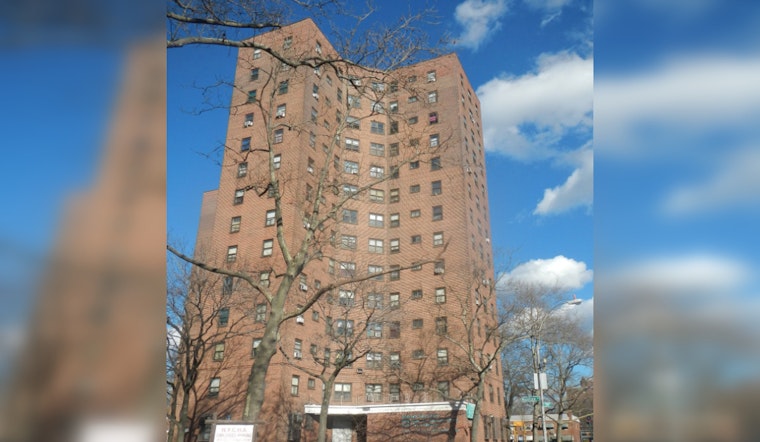
At NYCHA’s Bronx River Houses, residents report that construction preparations for the Cross Bronx Expressway are raising health concerns. One parent said her bedroom window is coated in grime, and her children are now using inhalers twice daily. State plans to repair or replace five aging bridges along a one-mile stretch near the complex have prompted worries about dust, diesel exhaust, and noise potentially affecting asthma rates. Residents, tenant leaders, and local organizations are seeking additional protections and alternatives ahead of construction scheduled to begin this spring.
Resident Tiffane Thorpe told News 12 The Bronx that grime and debris keep building up on her window and that "You smell things that aren’t good, like chemicals," adding that "after long periods of time of breathing in the air, they begin to wheeze or cough," which has forced her to give her children medication twice a day. She and other residents say separate nearby work has already left a coating of dust on their windows and worry the new project could make things worse for decades.
State Says Safety First, Not Highway Expansion
The New York State Department of Transportation says the project will rehabilitate or replace five bridges between Boston Road and Rosedale Avenue, structures built between 1947 and 1958 that have reached the end of their service lives, and notes that the corridor carries roughly 150,000 vehicles a day, according to the New York State Department of Transportation. The agency emphasizes that the work is aimed at enhancing public safety and improving connections for pedestrians, bicyclists and transit riders, and says it has held multiple public meetings to gather community input ahead of a final design decision.
Advocates Narrowly Fend Off Earlier Expansion Idea
Earlier versions of the plan included a temporary "traffic diversion structure" that critics blasted as a backdoor highway expansion, prompting months of pushback from local groups and elected officials, according to Streetsblog Empire State. The state eventually dropped those options, which one Bronx River Alliance leader called "a massive win and a huge relief for the South Bronx" in comments to Streetsblog. Still, activists warn that staged repairs, lane shifts and extended periods of truck traffic could concentrate pollution near homes throughout construction.
Construction Dust, Diesel And Kids' Lungs
Federal health agencies and scientific reviews link fine particulate pollution from traffic, diesel engines and construction activity to higher levels of wheeze, cough and other respiratory problems in children, particularly in dense urban neighborhoods, according to the U.S. Environmental Protection Agency and a meta-analysis of PM2.5 studies published on PubMed Central. The EPA notes that PM2.5 can aggravate asthma and decrease lung function, and the review found measurable increases in wheeze and cough in children exposed to traffic-related fine particles, underscoring what is at stake for families living next to major roadwork.
Paperwork Wrapped, Shovels Expected In 2026
NYSDOT released a Draft Design Report and Environmental Assessment and held public hearings this winter, saying the report moves the project "one step closer to construction in 2026" and inviting written comments and public input, according to the New York State Department of Transportation. The agency placed physical copies of the DDR and EA at local repositories including the Bronx River Houses community center and says it will use public feedback to select a preferred alternative before finalizing design and construction plans.
What Neighbors Want Before the Jackhammers Start
Community groups and the city's Reimagine the Cross Bronx effort argue that bridge repairs should line up with longer-term plans to reconnect neighborhoods and cut truck impacts, according to the Reimagine the Cross Bronx website. Local leaders have called for real-time air monitoring, strict dust and diesel controls, limits on overnight or weekend work and transparent oversight so that safety upgrades do not come at the cost of residents' health, a demand community groups say officials must address before construction begins.





