

























































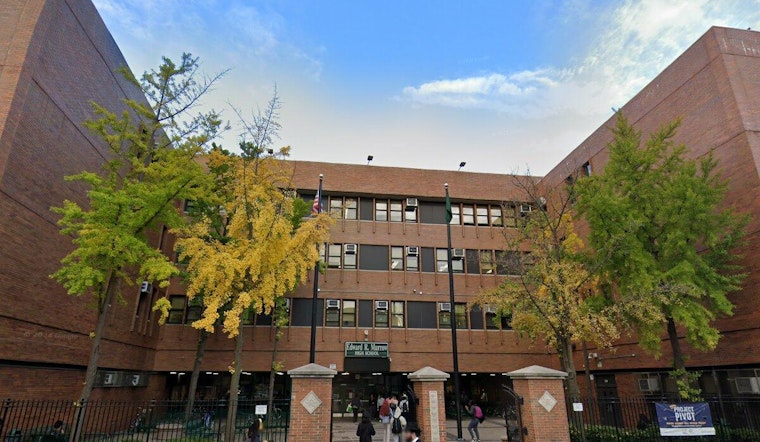
In an innovative move toward sustainability, Edward R. Murrow High School in Brooklyn has recently become the first public school in New York City to heat its facilities entirely with vegetable oil biofuel. The school's four boilers, located in the basement, now utilize a clean burning, low-emission fuel processed from vegetable oil, which is also a widely familiar substance.
"We can implement that in other buildings in the city [where] it makes sense, in your local hospital, your libraries, even your apartment complexes," Murrow's sustainability and greenhouse coordinator, Jesse John, told CBS News New York. According to John, the adoption of this system could significantly reduce carbon emissions throughout the city. The choice of biofuel seems timely, given the area's heavy congestion and resultant air pollution.
This innovative heating system faced its first real test this winter with the success reported by both students and staff even during temperature drops. "It's been excellent, especially during this cold snap," said custodian engineer Chris Wagner, in a statement to Brooklyn News 12. Wagner highlighted the system's effectiveness in maintaining a comfortable environment for the large school population.
The impact of the biofuel boilers also extends beyond heating, as it contributes to improving the air quality in New York City, which has been ranked as one of the most polluted cities by the American Lung Association since 2025. "Burning this 100% biodiesel fuel, we have an opportunity to not only have an impact in climate change, but also make the air in New York City cleaner," Dr. Jesse John told Brooklyn News 12. It's a shift in energy that could resonate on both a local and global level, offering a cleaner alternative that benefits public health.
Edward R. Murrow High School's commitment to sustainability doesn't stop with their heating system. In their environmental lab, students grow produce hydroponically, which includes a system that utilizes fish waste, and a greenhouse for further learning on food systems. Such initiatives educate students on renewable energy and sustainable practices, encouraging the next generation to continue innovating in the field of environmental conservation.





