

























































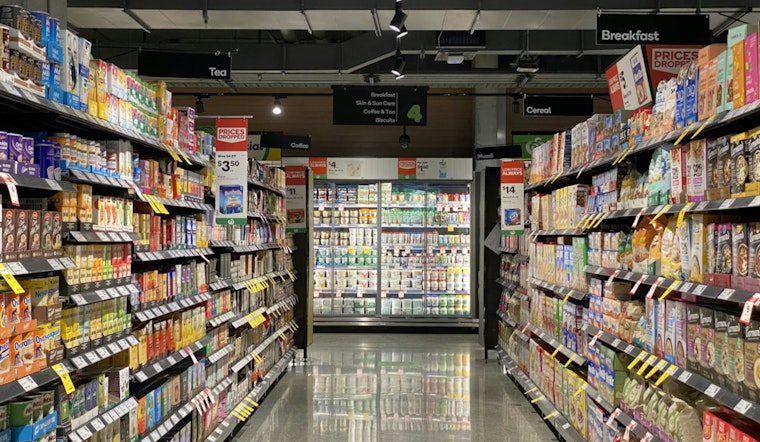
Brooklyn grocery runs are stinging this winter, as everyday staples, from milk and eggs to coffee and ground beef, are ringing up higher at neighborhood supermarkets. Shoppers say they are trading down brands, skipping convenience buys and carefully stretching household budgets just to cover the basics. Local food charities warn that these higher store prices are arriving at the same time demand for emergency food remains elevated across the city.
What government numbers show
Federal data back up what Brooklyn residents are seeing at the checkout. The U.S. "food at home" index rose 2.1% over the 12 months through January, while overall food costs climbed about 2.9% year over year, according to the Bureau of Labor Statistics. Those headline figures can hide sharp swings inside the grocery aisle, with some categories seeing much bigger increases, a pattern that helps explain why specific staples feel so pricey, Axios reports. Analysts point to a mix of supply disruptions, higher labor costs and trade shifts to account for the uneven price picture.
What Brooklyn reporting and shoppers are seeing
Local TV coverage has been tracking the squeeze on neighborhood wallets and corner stores. News 12 Brooklyn highlighted its "Cost Of: Food Essentials" roundup, noting the strain on household budgets and small grocers in the borough as shoppers rethink what they toss in the cart, according to News 12 Brooklyn. Store owners and customers in neighborhoods across Brooklyn described more substitutions, fewer preferred brands and increased reliance on discount chains or bulk purchases. Those street level stories line up with the bigger trends showing up in federal data and national coverage.
Food pantries and charities feel the pressure
Community food programs say the squeeze is even tighter in their world. In testimony to the City Council, City Harvest reported more than 1,000,000 additional pantry visits per week since 2019, along with a measurable rise in food insecurity. That surge is forcing pantries to stretch smaller budgets farther, which can mean reducing the size or variety of bags they hand out as prices climb. Local nonprofit leaders warn that flat emergency funding, paired with higher wholesale costs, leaves less nutritious food available for neighbors who rely on those bags.
Officials and advocates pressing for relief
Hunger groups and food banks are urging city leaders to bolster programs that support emergency food distribution and grocery incentives. The Food Bank For New York City and allied organizations have called for stronger city investments to shore up supply and capacity in local pantries, according to their public statement. At the policy level, some national commentators and think tanks have discussed targeted steps, including temporary price limits on key staples, as a way to blunt shocks to household budgets, a proposal covered by the Washington Post.
How shoppers can ease the pinch
For Brooklynites trying to keep the total on the receipt from creeping higher, consumer advocates recommend some familiar but effective moves. Comparing unit prices, favoring store or generic brands, joining loyalty programs and timing purchases to line up with sales can all help. Guides also suggest planning meals, stacking coupons or digital discounts and looking at wholesale or discount retailers for bulk staples, strategies outlined by outlets such as CNBC. These small tweaks can soften the hit, although advocates stress that long term relief depends on broader policy and funding decisions.
What to watch next
Brooklyn residents will want to keep an eye on the city budget cycle and Community Food Connection funding this spring and early summer, since those local allocations will shape pantry supply and outreach for the year ahead. City Harvest and other hunger relief organizations are already pressing their case, meeting with policymakers and hosting briefings to push for sustained support as SNAP rules and federal funding shifts continue to influence food security across the borough.





