

























































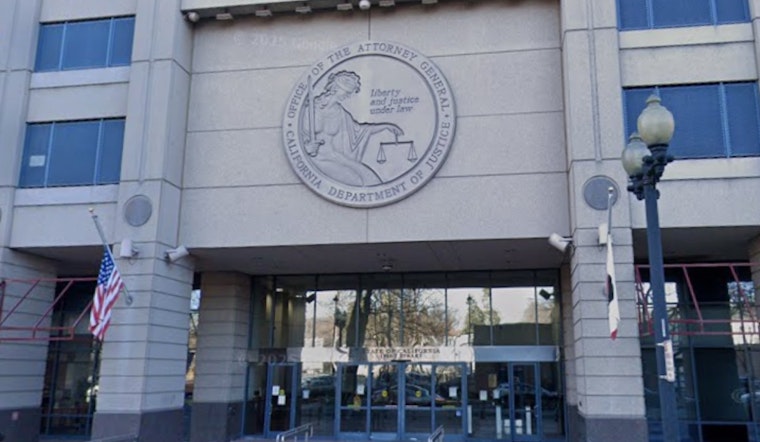
California is squaring off with Washington over who gets to control some of the most sensitive information in public schools, and $4.9 billion in federal K–12 funding is riding on the answer. State officials say the U.S. Department of Education is trying to strong-arm schools into outing transgender and gender-nonconforming students to their parents. Federal officials counter that parents have a clear right under FERPA to see education records, including “gender support plans,” and that California has been keeping them in the dark.
Bonta sues and a judge freezes the funding threat
Attorney General Rob Bonta filed suit in the U.S. District Court for the Northern District of California, asking judges to block what his office calls an unconstitutional attempt to bolt new conditions onto $4.9 billion in existing federal education funding. The court agreed, at least for now, and granted a temporary restraining order that stops the Education Department from cutting off the money while the case moves forward.
In a statement, Bonta argued that the department’s findings failed to demonstrate even a single violation of FERPA. The lawsuit asks for declaratory and injunctive relief that would wipe out the department’s findings and the corrective actions it ordered, according to the California Attorney General’s Office.
What the Education Department found
On Jan. 28, the Education Department’s Student Privacy Policy Office announced the results of its investigation into California’s policies. Federal officials concluded that certain California Department of Education practices encouraged districts to adopt approaches that kept gender-related information away from parents, including the use of “gender support plans” maintained in separate files outside a student’s main record.
The office laid out a list of corrective steps for the state. Those included telling district superintendents that gender support plans are education records that fall under FERPA and adding federally approved FERPA training requirements. California was warned that refusing to comply could jeopardize federal funds. “By natural right and moral authority, parents are the primary protectors of their children,” the department wrote in materials accompanying the findings, according to the U.S. Department of Education.
California pushes back
California’s response is blunt. State officials say the federal findings do not point to a single case where a local educational agency actually denied a parent’s request for records under FERPA. They also argue that FERPA lets parents inspect and review education records but does not impose an affirmative duty on schools to notify parents about a student’s gender identity in the first place.
As the dispute escalated, the California Department of Education circulated its own guidance. That document reminded districts that gender support plans are education records, which makes them subject to parental inspection on request. The state’s legal filing and the CDE guidance were detailed in coverage by EdSource.
Legal stakes and national context
The lawsuit targets the Education Department’s findings on both procedural and constitutional grounds. California argues that federal officials stepped outside the bounds of the Administrative Procedure Act and tried to condition existing federal dollars on policy changes that go beyond what FERPA actually says.
The fight is not just a California story. The department is conducting similar FERPA reviews in other states, including Maine and Washington, which could tee up a series of related legal battles. The conflict also intersects with ongoing lawsuits over parental notification policies and student privacy that have already reached federal appeals courts, according to Education Week.
What to expect next
The temporary restraining order keeps the money flowing and preserves the status quo while both sides brief the core legal issues and argue over whether the court should issue a longer-lasting preliminary injunction. How quickly the Northern District of California moves will determine whether the Education Department can push its corrective actions during the case or has to keep them on ice.
Court watchers have already logged the state’s complaint and the limited order issued last Thursday, in the Northern District, according to Just Security.



