

























































Wisconsin lawmakers just took a big swing at the snack aisle.
The state Assembly has approved a bill that would block FoodShare participants from using their benefits to buy candy and sweetened beverages, moving a long-simmering national fight over how SNAP dollars can be spent squarely into the Wisconsin Capitol. Republicans carried the measure, and some Democrats came on board after last-minute changes. Critics counter that the proposal would stigmatize low-income families and tangle both shoppers and clerks in new checkout headaches.
The Assembly signed off on the bill Thursday on roughly a 70-23 vote and tacked on an amendment requested by Gov. Tony Evers to send more state money into FoodShare, including a small assistance package aimed at retailers, according to WisPolitics. The amendment also boosts the state share of administrative costs and adds new jobs in the Department of Health Services to handle eligibility checks. Supporters say the changes are meant to protect FoodShare from new federal penalties, while opponents dismiss the add-ons as political cover for a policy they see as punitive.
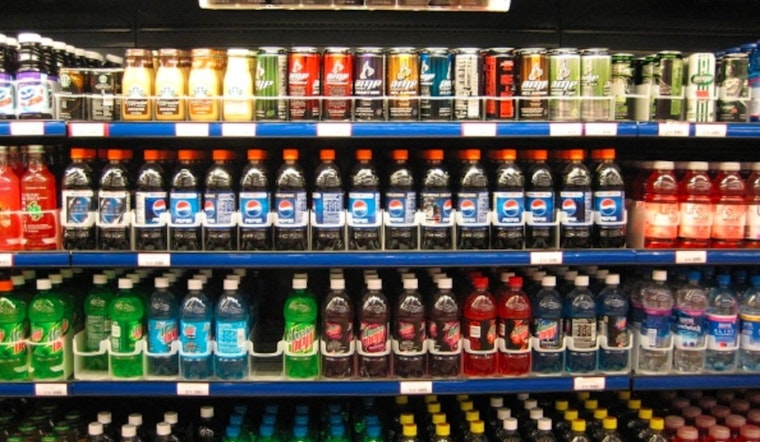
The bill takes a surprisingly granular approach to what counts as "candy." It spells out items such as chocolate bars, chewing gum, gummies, caramels, taffy, licorice and mints, and defines soft drinks to include soda, energy drinks, sports drinks and flavored water, while explicitly excluding baked goods like cakes and cookies, as reported by Wisconsin Examiner. The measure directs the Department of Health Services to seek a federal waiver before any of the new limits can be enforced. The amendment also sets aside state dollars to help both retailers and the agency adjust to the shift.
On the Assembly floor, Milwaukee Democrat Rep. Ryan Clancy blasted the proposal as "punishing people for poverty," while Rep. Clint Moses, R-Menomonie, argued that steering purchases toward healthier foods could reduce illness and save taxpayer money, Wisconsin Examiner reports. Clancy warned that the plan would pile extra bureaucracy onto both families and stores. Moses and other backers pointed to obesity and diet-related disease statistics as justification for tightening the rules.
Federal push and privacy fight
The timing is no accident. The vote comes as the federal government has been nudging states to limit certain SNAP purchases and pressing for more detailed information about participants. The U.S. Department of Agriculture last year demanded names, Social Security numbers and transaction records for SNAP recipients, a move that sparked multistate litigation and temporary court blocks, according to AP News. Wisconsin Attorney General Josh Kaul joined in challenging the data demand. Separately, the Assembly passed a measure that would require the state to turn over FoodShare rolls to the federal government, a step critics have labeled politically motivated.
Federal changes tied to last year’s budget law also raise the stakes. Beginning in federal fiscal year 2027-28, states could lose SNAP dollars if more than 6 percent of their enrollees are found to be ineligible, and analysts estimate Wisconsin could face losses of about $204.6 million if its error rate climbed above 10 percent, per WisPolitics. Supporters of the candy-and-soda ban say the extra state funding and new staff positions are aimed at keeping Wisconsin’s error rate low and avoiding those penalties. Opponents argue that using error-rate fears to justify narrowing what low-income shoppers can buy is a weak rationale.
What comes next
The bill now heads to the state Senate, where it will need to clear another vote before landing on the governor’s desk. Even if it becomes law, supporters still have to convince federal officials to sign off on a waiver before any purchase limits could kick in.
If that waiver is approved, grocery stores and other retailers would have to retool how they do business. Point-of-sale systems and inventory tracking would need to be updated so that restricted products are flagged correctly when customers pay with FoodShare. A national industry impact study commissioned by trade groups pegs up-front retailer costs at about $1.6 billion to implement similar waivers across the country, according to an analysis released by the National Grocers Association and its partners. Lawmakers built in transition funding to help stores adapt, but grocery groups warn that the technical and logistical lift will be anything but simple.
Legal implications
All of this is unfolding against a messy legal backdrop for SNAP policy and privacy. The USDA’s data demand has already led to lawsuits and temporary injunctions in some jurisdictions, and the agency has warned it could withhold administrative funds from states that refuse to cooperate, a threat detailed by Politico. How those legal battles shake out could ultimately determine whether Wisconsin is able to enforce new purchase limits at all, even if both the Legislature and the governor sign off.





