

























































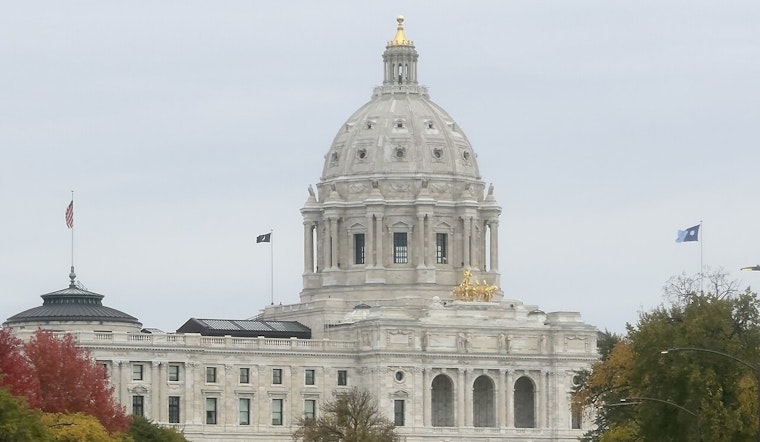
In St. Paul, dozens of housing advocates crowded into the Minnesota State Capitol rotunda this week, pressing lawmakers for steady, long-term funding for deeply affordable homes as new construction falls far short of demand. The stakes were clear at Torre de San Miguel on St. Paul’s West Side, where residents and operators say aging systems and tight budgets make preservation feel less like an option and more like a deadline.
Organizers at the "Start With Home" rally urged legislators to move beyond one-time budget boosts and commit to predictable investments that preserve existing buildings and create new deeply affordable units, according to KSTP. The event drew nonprofit coalitions and elected officials who framed the issue as both a funding problem and a zoning challenge, with Finance & Commerce reporting that organizers pushed for modest land use changes to cut costs and speed up production.
Torre de San Miguel: Preservation, Not Luxury, On The Line
Torre de San Miguel, a 142-unit family property on the West Side operated by CommonBond, has become a go-to example for advocates who argue that preserving existing affordable homes is just as urgent as building new ones. CommonBond Communities reports that recent tax credit wins allowed the organization to pay off debt and line up a major rehabilitation this year, including roofing, windows and core building systems. With many long-term tenants and a high share of large families, nonprofit leaders say Torre de San Miguel shows how piecemeal funding can leave owners constantly juggling critical repairs against the need to keep rents low.
Cash On Hand Is Small Compared With Need
The Metropolitan Council has set aside $27.5 million for Livable Communities grants in 2026, but regional planners and advocates say that pot of money barely dents the shortfall for deeply affordable homes. Metropolitan Council is tweaking program design to prioritize preservation projects and larger families, even as staff warn the metro will need tens of thousands more units across income levels this decade. Adding to the grim math, HousingLink’s St. Paul Rental Housing Brief shows that 0% of advertised vacancies are affordable to households at 30% of Area Median Income, underscoring just how scarce deeply affordable rentals are in the city; HousingLink’s November 2025 brief documents the gap.
Local Investments Help But Do Not Close The Gap
Ramsey County’s 2025 housing solicitations directed levy dollars and Local Affordable Housing Aid toward both new construction and preservation, with public records showing millions approved for dozens of developments. In July, the county awarded nearly $11.9 million in LAHA funding for a batch of preservation and acquisition projects, money that is explicitly meant to be layered with other sources. Advocates acknowledge that these local commitments matter, but they note that preservation and deep affordability almost always require stacked state and federal support to fully cover renovations and long-term subsidies, or projects can stall out.
Lawmakers Face Hard Choices This Session
Advocates say they are pushing a two-part strategy this year: secure predictable, recurring dollars for deeply affordable housing and pass zoning changes that let communities build faster and cheaper. Finance & Commerce reported lawmakers and organizers advocating for both fresh funding and modest land use reforms, while the Minnesota Housing Partnership helped organize the Capitol rally to boost community voices. Preservation efforts like Torre de San Miguel, organizers argue, show what is at stake when nonprofit owners have to choose between tackling basic repairs and keeping rents within reach.
With budget negotiations and housing bills moving through committees over the coming weeks, housing advocates plan to keep the heat on lawmakers to pair preservation dollars with production incentives. For now, the numbers tell the story: aging buildings in need of repair, virtually no available units for households at 30% AMI and limited regional grant pools are shaping a high-stakes debate over how Minnesota will fund homes for its lowest income residents.


.jpg)