

























































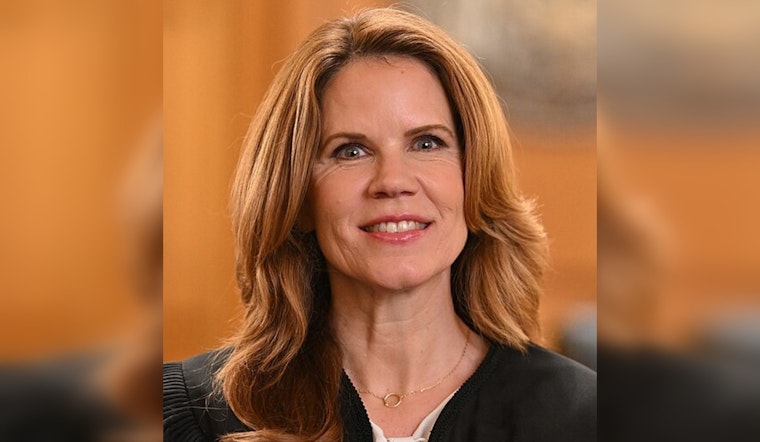
Judge Chris Taylor is first out of the gate on television in the Wisconsin Supreme Court race, going up Tuesday with a six-figure ad buy that will air in Madison, Milwaukee and Green Bay. The spot pitches the contest as a choice over basic benefits and rights, warning that "extremists" are trying to cut food assistance and BadgerCare while invoking Wisconsin's 1849 abortion law. Paired with an aggressive fundraising push, the move gives Taylor a clear financial edge as the April 7 election draws closer, according to the Milwaukee Journal Sentinel.
Taylor's campaign placed the buy and rolled out the ad Tuesday morning. The spot highlights rising costs and criticizes opponents who "want to strip away" public programs, a message her team says will blanket key TV markets. The commercial also points to the legal battle over the 1849 abortion statute as part of a broader case for the court's role in safeguarding rights. As reported by the Milwaukee Journal Sentinel, the ad buy is intended as an opening salvo that helps define the tone of the race.
Fundraising margin
Taylor's campaign reports raising more than $3.4 million since launching last spring and says it pulled in over $820,000 in the most recent reporting period, leaving roughly $2 million in cash on hand for media and outreach. The campaign also cites more than 10,000 individual donors, with about two-thirds of contributions coming from within Wisconsin and an average small-dollar gift that staffers argue signals broad grassroots support. According to campaign filings and statements, those figures give Taylor an early war chest to sustain television time and other voter contact in the final weeks.
As detailed by WisPolitics, the latest reports underscore the gap in cash and reported donors between the two campaigns.
Lazar's approach
Maria Lazar, who entered the race in October and serves on the Waukesha-based 2nd District Court of Appeals, has framed her bid around voters who feel left behind by a polarized system. Her campaign reports roughly $190,000 raised to date and says it added 357 new donors since the start of the year, numbers that leave her far behind Taylor financially but signal pockets of support. Lazar previously served as a Waukesha County judge and worked as an assistant attorney general under Republican Attorney General J.B. Van Hollen, a resume her team points to as evidence of courtroom experience over partisanship.
Those biographical details were outlined by AP News, and the donor totals and campaign messaging were reported by the Milwaukee Journal Sentinel.
What this race means
Last summer's Wisconsin Supreme Court decision that rejected enforcement of the 1849 abortion ban in a 4-3 ruling remains the legal backdrop both campaigns are working against, and Taylor's ad brings the issue front and center. If Taylor wins in April, the court's liberal bloc would grow to a 5-2 majority; a Lazar victory would keep the current 4-3 split intact, which helps explain why control of TV time and donor networks has become so critical. The ruling and the court's narrow ideological divide help drive the early, high-dollar attention that Wisconsin judicial races now routinely attract from donors and outside groups.
The legal context was detailed by WisLaw Journal, and the potential shift in the court's balance has been highlighted in coverage by WisPolitics.
One debate is set for March 25 at Marquette University Law School, with WISN-TV hosting an event that will air statewide and stream online, giving voters a rare prime-time view of the two appeals court judges sharing a stage. With last year's record spending still fresh in voters' minds, Taylor's early television push and fundraising edge signal that outside groups and major donors may follow the ad dollars, driving the contest toward a costly finish on April 7. The March debate and the next round of finance reports are likely to be key tests for any shift in momentum.
WISN 12 announced the debate details and statewide distribution in a station release, and national coverage has noted how expensive recent Wisconsin high court contests have become. AP News has also reported on the debate plans and the big-money history of recent elections.





.jpg)