

























































South Florida homeowners say they are opening their Citizens Property Insurance renewal packets to find an unwelcome surprise tucked into the fine print: new language that diverts coverage disputes away from courtrooms and into a fast, binding arbitration system. Attorneys and policyholders say the shift can yank appraisal battles and even ongoing lawsuits into an administrative arena where discovery is tighter and the judges are paid through state contracts. For residents already effectively locked into Citizens after private insurers pulled out, critics say it feels like losing both legal leverage and the chance to put their case in front of a jury.
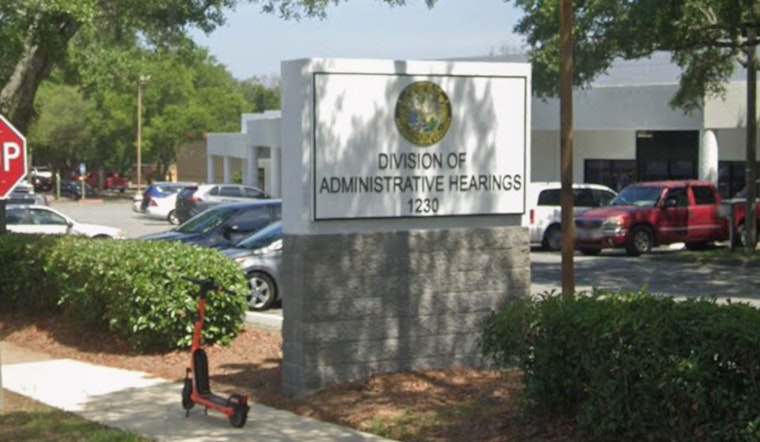
As reported by WPTV, documents show Citizens has added renewal endorsements that route more disputes to the Florida Division of Administrative Hearings (DOAH). The station’s review of one year of final hearings found Citizens prevailed in 99% of those cases, and local homeowners told reporters their own lawyers urged them to walk away from claims rather than risk that process. Policyholders in Palm Beach County and nearby areas are among those who say the new language has upended repair battles they thought were headed to court.
How the Forum Works and Who Wins
A deep dive by ProPublica found Citizens won more than 90% of arbitration disputes at DOAH after the insurer began steering cases there in 2024, a far higher success rate than it sees in traditional court litigation. ProPublica and other reporting have highlighted concerns that Citizens’ contract to fund DOAH hearings gives the company practical advantages, including faster timelines, narrower discovery and far fewer jury trials, which critics say stack the deck against homeowners trying to challenge repair offers.
Lawmakers Push to Restore Policyholder Choice
In response, the Florida House Commerce Committee approved HB 863 in January, a bill that would let Citizens policyholders choose at issuance or renewal whether to resolve disputes through binding arbitration or keep the right to sue in court, as reported by The Florida Bar. Supporters say the measure restores basic consumer choice without outlawing arbitration altogether. Opponents, including Citizens, counter that such a change could slow down resolutions and drive more cases into already crowded courts.
Courts Are Split, Leaving Cases in Limbo
The legal picture is just as tangled. In 2025, a Hillsborough County judge issued a statewide injunction that paused DOAH hearings. A later order out of Leon County directed arbitration to resume, a split that has left hundreds of files stuck in place while appeals play out, according to reporting by the News Service of Florida and WUSF. Plaintiffs’ attorneys say the back-and-forth has created real-world confusion for families trying to decide whether to keep pushing a claim or accept a quick settlement and move on.
Citizens' Defense
Citizens officials say the DOAH forum is working as intended, stressing that it resolves disputes faster and at lower cost than traditional litigation. The company points to internal data that show shorter timelines and a high rate of voluntary settlements. In a public release, Citizens argued the process is fair and helps preserve financial reserves that protect all Florida policyholders, and the insurer notes that multiple judges have upheld the program in various rulings. Citizens says it plans to keep defending the approach both in court and in the court of public opinion.
What This Means for Homeowners
Attorneys who represent homeowners warn the system can corner families into a difficult choice: take a smaller, faster payout or press ahead in a forum where discovery is limited and the odds of winning are slim. Reporting and court documents show that policyholders who push forward and lose may face fee awards and other penalties, a risk that has persuaded some to drop disputes altogether, according to ProPublica and local coverage by WPTV. Consumer advocates say the pressure is most acute for lower-income policyholders who have fewer legal options and less financial cushion if a case goes sideways.
For now, the next moves are unfolding both in Tallahassee and in courtrooms around the state. HB 863 continues to work its way through the committee process and toward the Senate, per The Florida Bar, while appeals over DOAH’s role and Citizens’ arbitration clauses wind through the judiciary. Those rulings will likely determine whether arbitration language remains a standard feature of Citizens renewals or ends up scaled back.




