

























































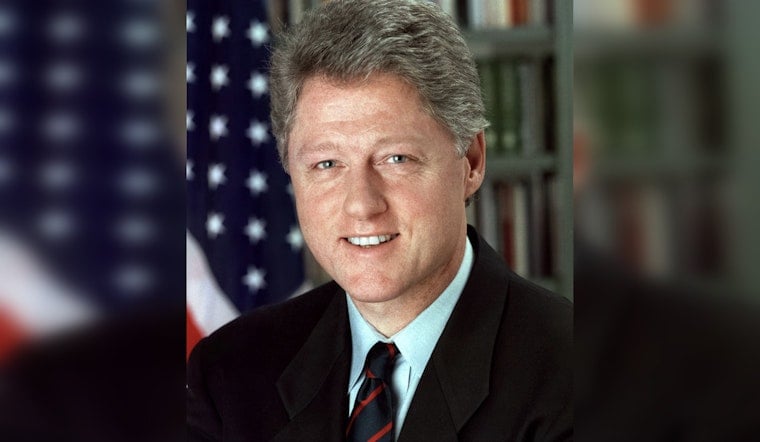
Former President Bill Clinton spent nearly six hours on Friday under oath in a closed-door deposition in Chappaqua, New York, fielding intense questions about his long-scrutinized association with Jeffrey Epstein. In a prepared opening statement he insisted, "I saw nothing, and I did nothing wrong," maintaining that he had not witnessed Epstein's crimes. The session, the first time a former U.S. president has been compelled to testify to Congress, came just one day after Hillary Clinton sat for her own deposition.
House Oversight Committee Chairman James Comer led the questioning and later called the session productive, saying Clinton had been cooperative and had "answered every question or attempted to answer every question" as Republicans worked through boxes of documents. Comer told reporters the committee will now comb through the testimony as it weighs next steps. According to The Washington Post, Republican members have already signaled they intend to pursue additional witnesses.
Democrats on the panel pushed back on Comer's upbeat account, arguing that Clinton's testimony actually raised further questions and renewing their demand that President Trump also be required to appear under oath as part of the same inquiry. Ranking members urged colleagues to be cautious in publicly characterizing what was said behind closed doors and warned against letting the probe devolve into a purely partisan exercise. Coverage at AP News notes that lawmakers from both parties left the session signaling that more subpoenas and interviews are likely on the way.
Inside the room, Clinton told lawmakers he had "no idea" about Epstein's crimes, said he had cut off contact with Epstein years before the financier's 2008 guilty plea, and maintained he would have reported Epstein if he had known what was happening, according to contemporaneous accounts and people present. Members pressed him about flights on Epstein's private plane and photographs contained in Justice Department files, and he flatly denied ever visiting Epstein's island. NBC New York reported that when it came to details stretching back decades, Clinton often responded with some variation of "I don't recall."
What Republicans pressed him on
Republicans focused on a familiar paper trail, homing in on documented trips aboard Epstein's jet, the newly surfaced photographs from government releases, Epstein's visits to the White House and any signs in the records that might connect Epstein to Clinton-era philanthropy. Staff hauled in boxes of materials and spent hours walking through them as members tried to pin down timelines and relationships, a methodical approach described by The New York Times.
Why it matters
Legal experts and lawmakers say forcing a former president to testify under oath in a congressional investigation is an unusual and politically loaded step, one that could shape how aggressively future Congresses pursue presidents once they leave office. Democrats argue that if Clinton can be compelled to appear, the same standard should apply to President Trump, while Republicans insist their focus is on accountability and answers for Epstein's victims. The escalating political stakes and growing calls for broader subpoenas are already shaping the next phase of the investigation, as reported by The Guardian.
After the session, Comer said the committee plans to release both video and transcripts of the Clintons' depositions and signaled that more interviews and subpoenas are likely, including for individuals whose names appear throughout the files. The panel is also weighing potential subpoenas for other figures named in the disclosures, among them executives and estate officials. ABC reports that Comer suggested recordings could be made public relatively quickly as the committee continues its review of the records.
No criminal charges have been filed against Bill or Hillary Clinton in connection with Epstein, and legal experts caution that congressional questioning by itself does not create criminal exposure. Lawmakers are expected to scrutinize the transcripts for any inconsistencies and, in rare circumstances, could refer concerns to federal prosecutors, a step that would face high legal and political hurdles. As The Washington Post notes, any such referral would be intensely watched and potentially explosive.





![Bob McNeely, The White House[1]](https://commons.wikimedia.org/wiki/File:Bill_Clinton.jpg)