

























































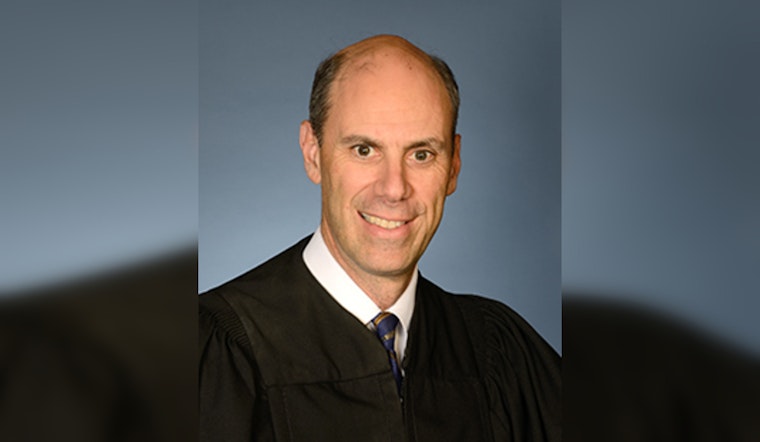
Quarterly totals for FBI payments to Twitter are staying secret, after a federal judge in Washington, D.C., sided with the Justice Department and said the government does not have to reveal them. In a Feb. 4 opinion, U.S. District Judge James E. Boasberg ruled that the figures, which cover legal-process requests from 2016 through 2023, could expose law-enforcement techniques if they were made public. The decision caps a Freedom of Information Act battle that heated up when internal "Twitter Files" messages spotlighted millions of dollars in reimbursements.
Boasberg granted the DOJ summary judgment and held that the disputed numbers fall under FOIA Exemption 7(E), concluding that disclosure "would foreseeably harm the interests that the exemption protects," and that the agency had already turned over all material that was not exempt. The opinion notes that the invoices were created while the FBI served subpoenas, warrants and other legal demands on Twitter to support investigations. As laid out in the court opinion available at Justia, the judge accepted the Bureau's argument that quarter-by-quarter totals could help adversaries map where and when the FBI is concentrating its efforts.
The fight traces back to an October 2023 FOIA lawsuit from Judicial Watch, which asked for records of any payments from the FBI to Twitter. That case followed the late 2022 "Twitter Files" releases, including an internal message that said, "I am happy to report we have collected $3,415,323 since October 2019!" as reported by Michael Shellenberger. As Judicial Watch explained in its announcement, the group wanted those records to determine whether taxpayer money played a role in the government's dealings with the platform. Judicial Watch and the original "Twitter Files" thread from Michael Shellenberger helped shove the reimbursements into the spotlight.
The DOJ told the court that the payments reflected statutory reimbursements for handling legal requests and warned that disclosing quarterly totals would let outsiders estimate how often the FBI turns to a specific platform. The opinion drilled down on that concern: "If a plaintiff could access the FBI’s reimbursements to Twitter today, she could get its payments to WhatsApp tomorrow and Discord the day after," which Boasberg said would tip off bad actors to "where the Bureau is looking and where it is not." The court found that these risks justified withholding the totals and, as recounted in the opinion, accepted the government's assertion that it had released "all non-exempt reasonably segregable portions" of the records. Justia
Where the Numbers Came From and Why Critics Care
Independent fact-checkers and the FBI say the roughly $3.4 million figure reflects reimbursements for staff time spent gathering user data in response to legal demands, not money paid to censor speech. The agency has described the sums as covering "reasonable costs and expenses associated with their response to a legal process." Critics, however, zero in on the timing. The payments, from late 2019 through early 2021, overlapped with heavy federal pressure on social media companies to flag COVID-19 and 2020-election misinformation, which has fueled ongoing skepticism over whether that financial relationship influenced moderation calls. For context and analysis, see FactCheck.org.
What This Means Under FOIA
Under FOIA, Exemption 7(E) lets agencies withhold law-enforcement records that would "disclose techniques and procedures" when doing so would "reasonably" risk circumvention of the law, and courts often defer to agency declarations about possible harm to investigations. The Department of Justice's FOIA guidance explains that Exemption 7(E) can cover operational details about how agencies conduct investigations, which is the standard Boasberg applied when he decided the quarterly totals should stay out of public view. For more on the exemption, see the DOJ FOIA Guide.
For now, the raw quarterly figures remain blacked out while other, non-exempt material has been released. The ruling highlights a familiar FOIA tension: judges have to weigh public oversight against the possibility that detailed disclosures could hand criminals or foreign adversaries a roadmap to avoid scrutiny. Local readers who want a plain-language rundown and reaction can check out coverage from the Tampa Free Press.





