

























































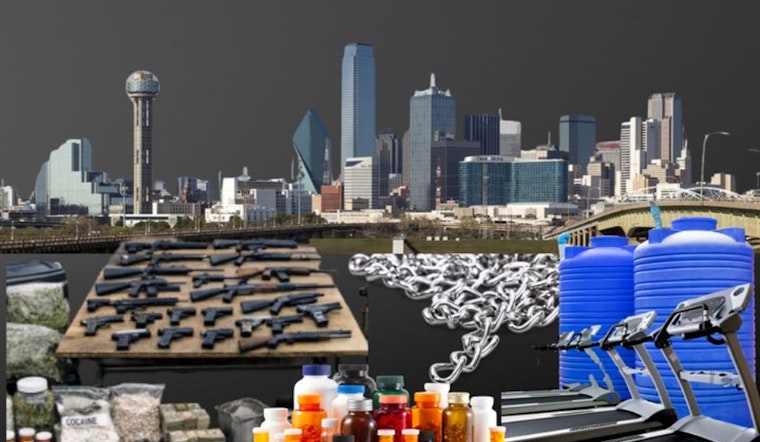
Dallas police and a coalition of local and federal partners hit dozens of locations across the city in a sweeping animal-cruelty probe that ended with more than 200 dogs pulled from suspected dogfighting operations. Officers also hauled away a cache of weapons, narcotics and dogfighting training gear, and the department says arrests tied to the operation will be announced as detectives sort through the evidence and file charges.
Police Say Raid Netted Weapons, Drugs And 207 Dogs
According to the Dallas Police Department, the enforcement action, dubbed "Operation Fight Club," ended with more than 200 dogs and a long list of contraband seized. The department’s post lists 207 dogs removed from multiple properties, along with 11 shotguns, 28 rifles, 21 pistols, six revolvers, 534.4 grams of cocaine, 577.5 grams of marijuana and fentanyl pills, plus treadmills, chains and other paraphernalia. Police said some firearms turned out to be stolen and reiterated that arrests related to dogfighting and other crimes "will be announced" as the investigation moves forward.
Yesterday, the Dallas Police Department, in conjunction with the Texas Department of Public Safety, FBI Dallas Safe Streets Task Force, Dallas Animal Services, Operation Kindness and the ASPCA, executed search warrants at dozens of locations as part of “Operation Fight Club,” an… pic.twitter.com/H3HCp1sKhT
— Dallas Police Dept (@DallasPD) February 11, 2026
Shelters And Nonprofits Stepped In To Care For Animals
Local shelter partners such as Dallas Animal Services and Operation Kindness are equipped to handle large rescue operations and are expected to care for the dogs while investigators work the cases. The department's DPD Beat blog has previously documented joint operations where those groups handled transport, sheltering and veterinary screenings after animal seizures, including coordinated rescues and follow-up care. For large dogfighting investigations, the ASPCA has described deploying crime-scene investigators and temporary sheltering to collect forensic evidence and provide medical treatment for seized animals.
Why These Raids Often Turn Up Drugs And Guns
Experts and legal analysts note that underground dogfighting networks frequently overlap with other criminal activity, including illegal drug trafficking, weapons offenses and gambling. Studies and law-enforcement reviews of previous raids show narcotics, stolen firearms and other criminal evidence are often recovered alongside fighting paraphernalia, which can expand the scope of prosecutions and complicate casework. That tangled criminal ecosystem helps explain why investigators in Dallas reported both dozens of firearms and significant quantities of narcotics during the sweep, as noted by legal experts and reviews of prior cases (Animal Law & Historical Center).
Charges And Legal Stakes
Under Texas law, causing a dog to fight or operating a dogfighting facility can be prosecuted as a state-jail felony, while possessing dogfighting equipment or attending a fight can carry misdemeanor penalties, according to the Texas Penal Code. The Dallas Police Department has said arrests tied to the sweep will be announced as detectives finish processing evidence and forwarding cases to prosecutors. Investigators are asking anyone with information to contact the Dallas Police Animal Cruelty Unit as the probe continues.
The seized animals will stay in the care of shelter partners while detectives catalogue evidence and build cases, and the city now faces weeks of medical evaluations, forensic testing and legal work. For residents, the operation is a stark reminder that animal-cruelty investigations rarely exist in a vacuum and can ripple across neighborhoods when authorities suspect organized criminal activity is in play.





