

























































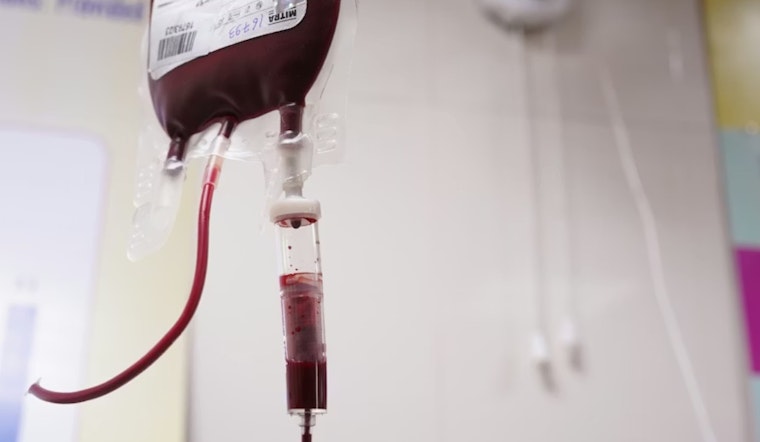
One year after Dallas Fire-Rescue started bringing blood straight to emergency scenes, city officials say the experimental program has already kept dozens of critically bleeding patients alive and is now gearing up for a much bigger footprint. Department figures show 40 people with life-threatening bleeding received transfusions on scene and 34 survived, and leaders are widening coverage so blood can reach patients across Dallas within roughly 10 to 15 minutes.
As reported by The Dallas Morning News, the pilot that began in early 2025 has grown from two EMS supervisors carrying blood to a plan where seven supervisors will each carry two units per shift, a total of 14 units staged around the city, and paramedics have administered 74 units so far. Fire Chief Justin Ball told reporters at a City Hall news conference that "the success and the impact of this program is measured by the lives that have been saved by this program."
How The Pilot Got Off The Ground
The city rolled out the pilot in February 2025 in partnership with Parkland BioTel and the American Red Cross, putting blood at stations that see the most severe trauma calls. In a press release via the City of Dallas, officials described using remotely monitored, military-grade coolers to store the units and training supervisors to grab the blood and bring it to the scene when the worst calls come in.
Who Supplies The Blood And How It Moves
Donated blood for the pilot comes through the American Red Cross and is staged at Parkland for fast pickup, with Parkland BioTel providing medical direction for the roadside transfusions. According to the American Red Cross, units are kept at stable temperatures and then warmed in the ambulance as needed so transfusions stay safe even while the rig is rolling.
Numbers, Gear And Local Wins
City leaders say the first year of the program included transfusions for trauma patients and for people bleeding from medical causes, not just crash victims and gunshot wounds. The public safety nonprofit Safer Dallas Better Dallas has donated three coolers, blood-warming units and specialized tubing to speed up the expansion. Those additions are expected to help the department hit the 10 to 15-minute response window officials are targeting, as reported by The Dallas Morning News.
Local outlets were already tracking the impact early on. NBC 5 reported that the Dallas pilot was credited with saving 18 lives in the program’s first six months and highlighted an on-scene transfusion that likely saved an emergency-medicine physician after a postpartum hemorrhage. As NBC 5 noted, those high-profile saves helped build momentum and public support for spreading the coverage citywide.
Why Every Minute Counts
Medical research and national experts say rapid transfusion for severe hemorrhage can sharply improve survival, with some studies showing big gains when blood is given within about 15 minutes of injury. The American College of Surgeons and advocacy groups such as the Prehospital Blood Transfusion Initiative Coalition have been pushing for more ambulance-based blood programs and better reimbursement so EMS agencies are not stuck footing the bill for lifesaving transfusions on the street.
What’s Next For Dallas And North Texas
State and national funding are starting to catch up to the idea. Industry group AABB reported that Texas lawmakers set aside $10 million to help bring blood products to EMS agencies across the state. Nearby jurisdictions are jumping in too, with Fort Worth’s mobile program reporting high unit counts and other North Texas providers launching their own efforts, a regional shift in how first responders handle life-threatening bleeding.
For locals who want to help keep the shelves stocked before the next big call, the American Red Cross points out that a steady stream of blood donations is what keeps inventories ready for community needs and for programs like Dallas’s field transfusions. Appointments and details are available through the American Red Cross donor site.





