

























































In a nod to Black History Month and over half a century since the District gained Home Rule, a landmark panel discussion has been declared by the DC Council. According to the DC Council, the event aims to scrutinize the tumultuous years between 1967 and 1975, when the District underwent significant political reform, transitioning through three different forms of governance.
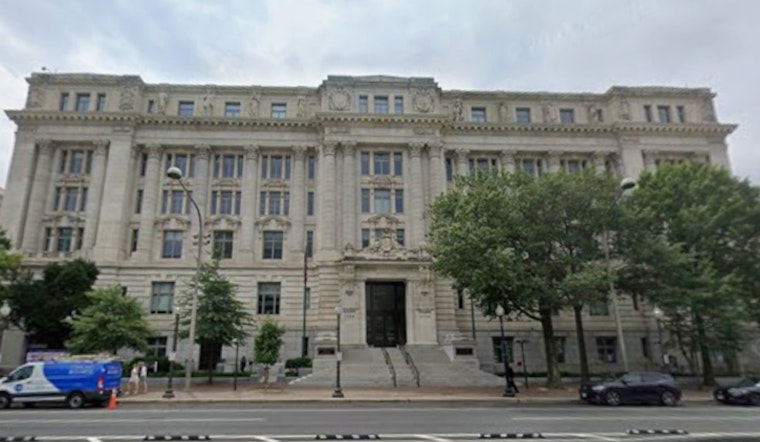
Set for February 23 at 5:30 PM at the Council Chambers in the John A. Wilson Building, the discussion will feature pioneering councilmembers Antoinette Ford, Reverend James Coates, and Arrington Dixon. The panel is expected to address the practicalities and challenges of shaping and operating a young government, the process of disbanding obsolete structures, and extract lessons that are applicable to the present threats facing the District's governance.
The moderators for the evening, Kojo Nnamdi of WAMU Radio and Mark Segraves from NBC 4 Washington, will guide the conversation through a pivotal time not only for the District but also reflecting on early American governance transitions as well. The panelists bring first-hand experience from their time in office during a period, which involved the replacement of the commissioner system that left district residents without a vote, to a presidentially-appointed council, and eventually to the current elected Mayor and Council structure.
In a time when Home Rule is both more crucial and more endangered, the reflections of these former councilmembers promise to offer both historical context and wisdom for current circumstances. The event is open to the public and provides a rare opportunity to understand the complexities behind the beginnings of a government's lifecycle. The District's transition parallels the country’s early governance shifts, which encapsulate the transformation from British rule, to the Continental Congress, to the Articles of Confederation, and finally, the adoption of the U.S. Constitution, a journey that spanned less than thirteen years. Given the current political landscape, understanding these historical instances underscores the significance of embracing and protecting the hard-earned autonomy of the District's local government.





