

























































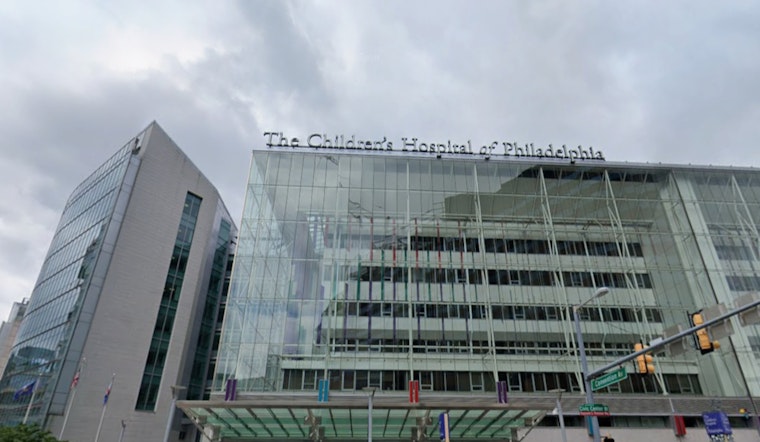
One year after a Delaware County infant received a one-of-a-kind gene-editing treatment at Children’s Hospital of Philadelphia, hospital leaders say they want to turn that single medical first into a program that can reach more children with rare metabolic diseases. Doctors and scientists at CHOP and Penn say they are cautiously optimistic about the early clinical gains, but they acknowledge that broadening access will take new trial designs, scaled-up manufacturing and sustained funding. The case has already reshaped conversations in Washington and among regulators about how bespoke therapies might move from N=1 successes to standard treatment options.
The child, KJ Muldoon, was born with severe carbamoyl phosphate synthetase 1 (CPS1) deficiency and received three infusions of a customized base-editing CRISPR therapy between February and April 2025, according to Penn Medicine. Clinicians have reported that KJ can now tolerate higher dietary protein, has needed less nitrogen-scavenging medication and has begun to meet developmental milestones that had previously been in doubt. The treatment and its initial outcomes were described in a New England Journal of Medicine paper that researchers say offers a potential template for other personalized edits.
CHOP marked the one-year milestone this week and said it aims to “responsibly develop and scale” the approach so “more children can lead healthy lives,” according to a hospital announcement. CHOP described the therapy as a base editor delivered in lipid nanoparticles and credited collaborations with Penn and NIH-funded consortia for the rapid development timeline. Hospital leaders also said the Muldoon family traveled to Washington earlier this month to press lawmakers for more support for pediatric genomic research.
Regulatory Shift Could Speed Access
Regulatory momentum could help. On Monday the FDA published draft guidance for a “plausible mechanism” framework intended to speed approvals for individualized therapies when traditional randomized trials are not feasible, the Department of Health and Human Services said. HHS officials and the CHOP team have pointed to KJ’s case as an example of how a single-patient treatment might inform a broader approval pathway.
From Single Case to Umbrella Trials
Researchers at CHOP and Penn say they want to translate KJ’s therapy into a platform that can be retargeted to other urea-cycle and liver-centered disorders, with umbrella clinical trials that test related edits under one program. “We’ve turned this therapy into a whole platform,” Kiran Musunuru said during regulatory briefings, according to industry coverage. FierceBiotech reported that the team hopes the new FDA approach will allow a small number of positive patient outcomes to support approval of a wider platform.
CHOP and the Muldoons have been meeting with lawmakers to push for sustained federal funding and clearer rules to expand access to similar therapies, the hospital said. CHOP also noted that outside research and manufacturing partners volunteered services during KJ’s accelerated development, which helped cut costs but is unlikely to serve as a long-term model. The Philadelphia Inquirer has reported that the rapid timeline depended on collaboration across clinical, research and manufacturing teams during the drug’s development.
Experts caution that the promise comes with tradeoffs. Regulators will need clear chemistry, manufacturing and control standards, along with registries and long-term follow-up, to track off-target edits or late effects. Legal analysts say the framework also raises new questions about how the FDA will apply existing approval standards. A Ropes & Gray analysis flagged outstanding issues, from evidence expectations to manufacturing controls, even as the agency seeks public comment on the draft framework. Ropes & Gray concluded that more operational guidance from FDA is likely to follow in the weeks ahead.





