

























































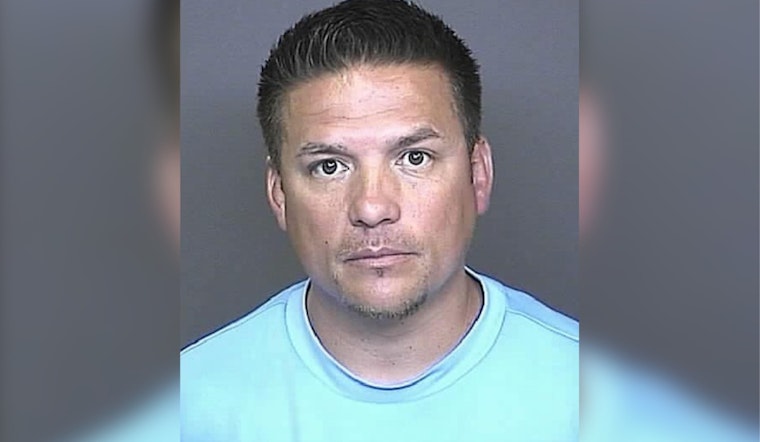
A Denver pastor who promised an elderly family a new duplex is now under court orders to pay them back more than $300,000 after the project fizzled out and left the couple buried in debt well into their 70s and 80s.
Denver District Court Judge Jay Grant has ordered Pastor Tilo Lopez to repay $311,191.64 to Ventura and Elsie Lara. The Laras say they poured tens of thousands of dollars into the project up front and took out a $520,000 loan to finance a duplex that was never built. Relatives say the financial hit has forced the couple, now 77 and 81, to keep working instead of retiring.
The restitution ruling followed a hearing that pulled back the curtain on how the money was spent, including what the judge called staggering markups on demolition and abatement. Testimony showed Lopez hired a contractor for roughly $14,000 while the Laras were billed about $90,000 for the demolition, and a subcontractor was paid about $30,000 for asbestos abatement while the family was billed roughly $150,000. Judge Grant noted the roughly 542% markup as a key part of the calculation that led to the $311,191.64 restitution figure, as reported by CBS Colorado.
In court, Miguel Lara did not mince words, telling the judge, “This man lied to us.” His parents, Elsie and Ventura, are still paying about $4,900 a month on the loans for the never-finished duplex. The family told the court that getting the restitution money would not make them whole, but it could finally start to chip away at that monthly burden and give the couple some financial breathing room, according to CBS Colorado.
Plea Deal and Criminal Case
Lopez pleaded guilty in September to filing a false tax return and attempting to commit theft. Under a plea agreement that wrapped several earlier counts, including alleged exploitation of an at‑risk adult, he was sentenced to 12 years of probation instead of prison. The Laras opposed the deal, telling the court the scheme cost them hundreds of thousands of dollars. Their objections and the details of the plea were chronicled by MinistryWatch.
Why Restitution Can Be Complicated in Colorado
Under Colorado law, prosecutors and judges generally must present and impose restitution amounts at sentencing or within 91 days. When those deadlines or related procedures are not followed, appellate courts have sometimes stepped in and overturned restitution orders.
That legal framework can make collecting court-ordered repayment anything but straightforward for crime victims. In recent years, courts have vacated restitution awards on timing and technical grounds, a trend outlined by the Denver Gazette and examined in detail by Colorado Politics.
Family Reaction and Next Steps
The Laras say they are focused on using any repayment to bring down the balance on their construction loan so they can eventually stop working and finally retire. Their daughter called the ordeal a painful betrayal of trust, particularly because it involved a faith leader, and urged neighbors to dig into contractors’ credentials and paperwork before signing anything, even when the recommendation comes from someone in the church.





