

























































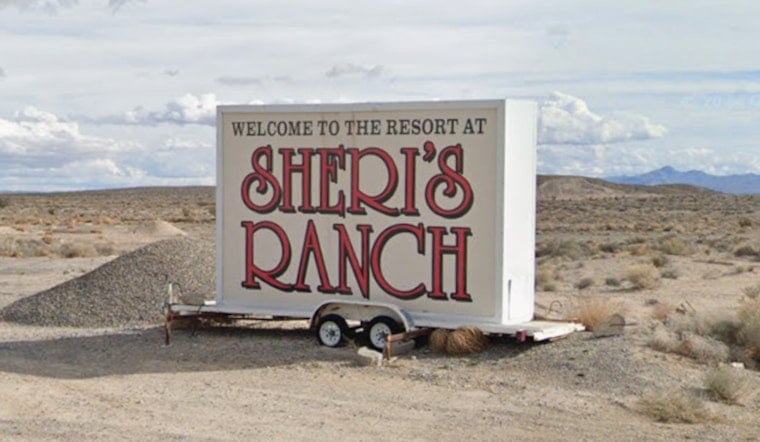
At Sheri's Ranch, a resort-style brothel near Pahrump, most of the roughly 74 courtesans have filed to unionize as the first U.S. brothel workforce seeking official recognition. The United Brothel Workers campaign, backed by the Communications Workers of America, arose after a December contract granting management broad control over performers’ images, with organizers alleging retaliation including the firing of at least three participants and appealing to federal labor authorities for intervention.
What Workers Are Asking For
Courtesans say the new agreement would let Sheri’s Ranch claim an “irrevocable, worldwide, perpetual” license to distribute any content produced on site, while the brothel takes roughly half of client fees and requires a $1,000 minimum charge per hour. Workers say they want clear intellectual-property protections, the ability to negotiate pay splits and dress codes, and access to benefits such as health insurance. As reported by The Nevada Independent, that IP clause, combined with surveillance practices on the property, pushed many courtesans to organize.
Owner's Response
Sheri’s Ranch has told reporters it “respects the right of individuals to express their views on workplace structure” while firmly defending the contractor model that underpins its operations. In a statement to AP, marketing director Jeremy Lemur said the business focuses on providing a “safe, lawful and professionally managed environment.” The ranch argues that classifying courtesans as independent contractors preserves their personal autonomy and that shifting to employee status would disrupt long-standing industry rules.
Federal Filings And Next Steps
The union drive moved into federal territory in early February. Representation petitions and related unfair labor practice charges tied to Pahrump ICS LLC, doing business as Sheri's Ranch, now appear on the National Labor Relations Board's recent-filings list. The board's entries show a representation case and a charge, case numbers 28-RC-380668 and 28-CA-380690, both filed Feb. 6, 2026, with units that include the ranch's courtesans, according to the National Labor Relations Board. If the NLRB orders an election, workers will first have to clear the hurdle of proving they are employees rather than independent contractors before any vote can become binding.
Organizers Fired, Union Seeks Reinstatement
Union attorneys say at least three workers tied to the organizing drive, including performer Jupiter Jetson, were dismissed after the push began. They have asked the NLRB for emergency bargaining relief and orders to reinstate the fired courtesans. The Nevada Independent reviewed the union filings and reported that one courtesan wrote “under duress” next to her signature and that management told other workers they would be terminated if they did not sign the new contract. The union has also launched a public campaign, including an organizing website and press materials, to press its case beyond Pahrump.
Why This Could Ripple Beyond Pahrump
Nevada is the only U.S. state with licensed county-level brothels, which makes a successful union drive here a potential legal and cultural precedent, as noted by AP. Labor historians point to earlier sex-industry organizing, from the Lusty Lady union in San Francisco to more recent club campaigns in Los Angeles, but say brothels layer on extra regulatory complexity around licensing, health rules and municipal oversight. The Communications Workers of America and the United Brothel Workers campaign laid out their goals and a formal launch in a press release this week, according to PRWeb.
Legal Implications
At the center of the legal fight is classification. If the NLRB determines that Sheri’s Ranch courtesans are employees, the brothel would face collective bargaining obligations and potential orders to negotiate over intellectual property, pay splits and work rules. Reporting by Bloomberg Law describes the disputed contract, particularly its permanent IP transfer and power-of-attorney language, as a modern flashpoint where labor law collides with AI-driven content issues. The NLRB process can involve hearings, interim orders and, eventually, an election, while organizers say they plan to keep up both public pressure and the board process in parallel as the cases move forward. Bloomberg Law provides a detailed public record of how the fight is unfolding, and additional filings are listed on the National Labor Relations Board site.




