

























































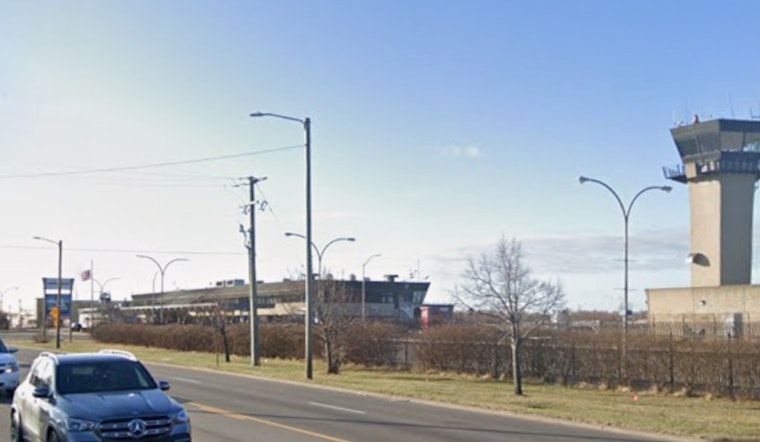
Detroit is getting ready to write a very large check to clear land around Coleman A. Young Municipal Airport, and the price tag is raising eyebrows at City Hall.
City officials are preparing to offer roughly $444,135 to local landowner Michael Kelly to acquire dozens of small parcels next to the airport, a package that internal city paperwork indicates could push total payouts past $500,000 once earlier payments and related costs are counted. The proposed settlement, covering about 28 lots, which the city says it needs for airport work, was scheduled for consideration at the City Council meeting today.
According to city documents reviewed by the Detroit Free Press, the law department has reached a potential settlement with Kelly for 28 parcels that would pay $444,135 now and could push the overall tab above $500,000. The reporting notes the parcels sit adjacent to the airport’s main runway and that some of the lots were originally bought, through Kelly-linked LLCs, at Wayne County tax-foreclosure auctions for very small sums.
How the City Authorized the Mini-Take
The city began moving to assemble this patchwork of land in early 2024, when the City Council authorized condemnation proceedings for a wider “French Road mini-take” around Coleman A. Young Municipal Airport. At the time, council materials listed dozens of parcels targeted for acquisition.
The council packet from that period shows authorization for 36 parcels and an initial estimated cost of about $328,030 for the mini-take. The City Council materials lay out the case for pursuing the mini-take around the airport.
Kelly’s Track Record and City Scrutiny
Kelly is a prolific Detroit property owner and landlord who has long bought tax-foreclosed lots and then leased or sold them through a web of LLCs, a strategy that has repeatedly put him on the city’s radar. Reporting and city filings describe his approach as an “invest-and-neglect” model and show that, in recent years, Detroit has both sued and negotiated with Kelly and associated entities over blight, taxes, and property conditions.
Local investigative reporting details that history, including past lawsuits and the broader push from city lawyers to force problem property owners into compliance, per WXYZ.
FAA Reimbursements and Taxpayer Exposure
Airport officials told reporters that the Federal Aviation Administration would reimburse the city for condemnation awards tied to airport projects, and the airport director said the FAA would cover 100% of a land condemnation award for Kelly’s parcels. That assurance, which city staff highlighted in settlement documents, is central to the case for resolving the dispute now instead of rolling the dice in court.
The same city documents show a prior payment related to these parcels of $74,600, part of the tally that could push the potential total above $500,000. The Detroit Free Press reported those figures and the airport director’s position on FAA reimbursement.
Legal Context and a Recent Precedent
Condemnation and airport-related takings have already produced big payouts involving the city. Earlier this month, a federal judge approved a roughly $3.6 million deal to end a yearslong condemnation fight tied to airport work, underscoring how expensive these battles can become once they head into extended litigation.
The recent settlement illustrates how quickly liabilities can grow when property owners challenge city takings in court, and it serves as a cautionary backdrop for the Kelly negotiations. Law360 covered that larger-case resolution and its implications for Detroit.
What happens next hinges on the City Council vote and whether members accept the law department’s recommendation. If the council signs off on the deal, the city will move ahead with the land transfers and pursue FAA reimbursement as outlined. If it rejects the settlement, Detroit could proceed with full-blown condemnation litigation, a path that is typically longer and, depending on how a judge views the case, potentially more costly. Kelly’s lawyer did not provide a comment to reporters at the time of the report.





