

























































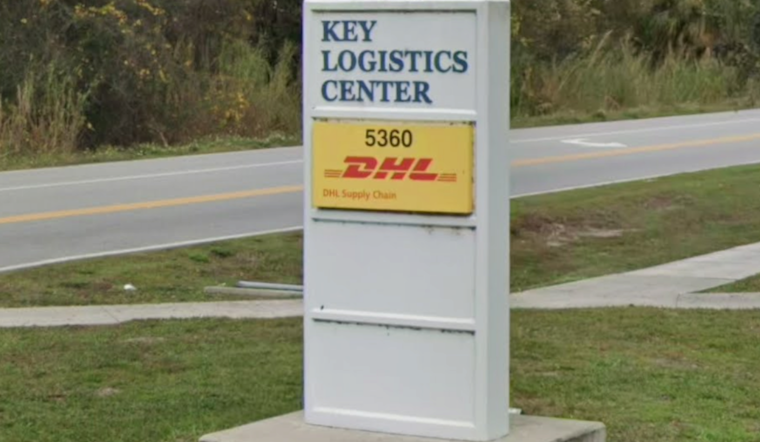
DHL Supply Chain is set to wind down its Central Florida warehouse at 5360 Allen K. Breed Highway in Lakeland, according to state filings, putting a major dent in the local logistics scene. The closure will be phased in over more than two years, starting in April and wrapping up by Dec. 31, 2026, with 203 jobs, mostly labor positions, scheduled to disappear.
What the WARN filing says
A Worker Adjustment and Retraining Notification (WARN) notice filed with the state on Feb. 9 lays out a step-by-step shutdown that begins with separations on April 13, followed by additional cuts in June and July, and ends in a full closure on Dec. 31, 2026, according to WFTV. The filing breaks out 203 positions slated for elimination: 166 laborer roles, 23 leadership jobs and 14 administrative posts.
Coverage and timeline details
Other local reporting that reviewed the same WARN documents repeats the Lakeland address and the 203-job total, noting that most employees will be hit in the April and June or July waves, per ClickOrlando. Those reports say DHL described the shutdown as a permanent closure and did not offer any further explanation in its filing.
Company response and next steps for workers
DHL has not publicly explained why it is closing the Lakeland site, and FOX 35 Orlando reports the company did not immediately respond to a request for comment. In the meantime, employees generally stay on the payroll through their notice period and are eligible for state rapid-response services and unemployment benefits while they look for new jobs.
Local economic context
The warehouse is located in Key Logistics Center, which the Lakeland Economic Development Council lists as a major industrial park and identifies as home to DHL/IKEA. Losing more than 200 positions at a single distribution hub is likely to be felt beyond the warehouse walls, with potential spillover effects on contractors and nearby businesses that depend on the facility and its workers.
Legal note
The federal WARN Act requires most employers with 100 or more employees to provide at least 60 days of advance notice before a plant closing or mass layoff, so that workers and communities have some time to adjust, according to the U.S. Department of Labor. The filing with state agencies also triggers outreach from local workforce offices that can help displaced employees with benefits, job searches and training options.





