

























































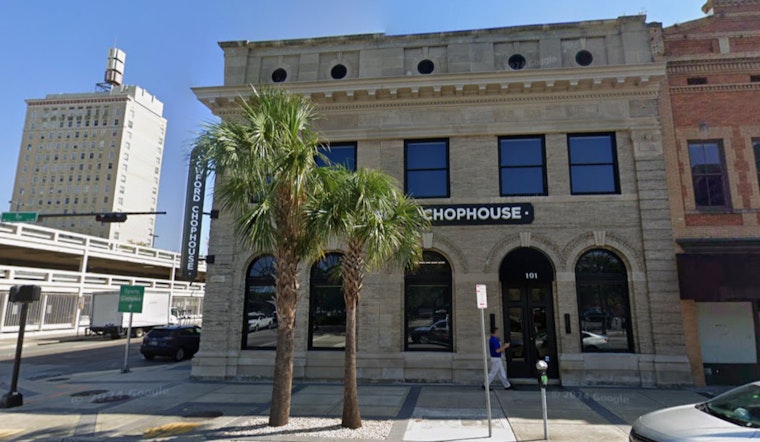
Downtown fixture Cowford Chophouse did not set out to be a test case in disability law, but that is where it landed after a federal Americans with Disabilities Act lawsuit over its website. The popular steakhouse quietly settled with a repeat plaintiff connected to a high-volume Florida ADA practice, rather than take the fight through a full federal trial. Owner Jacques Klempf said the all-in bill, including attorneys’ fees, came to roughly $20,000, and arrived in the middle of what many local business owners describe as a confusing and costly surge in web-access litigation.
According to Action News Jax, the complaint claimed the restaurant’s site left the plaintiff unable to “communicate with or within the Website.” Klempf told reporters he was “shocked” to learn he had been sued. His attorneys warned that fighting in federal court would be expensive and unpredictable, so he opted to settle instead of rolling the dice at trial.
A wave of web-access suits
Industry trackers and legal analysts say the volume of web-access cases has exploded nationwide. One widely cited report found 3,188 federal ADA website lawsuits in 2024 and noted that filings stayed elevated into 2025, with restaurants and small retailers frequently in the crosshairs. That surge has left many smaller operators deciding whether to sink money into code-level fixes or to pay a settlement and move on, according to EcomBack.
Who’s filing, and why it matters
Local reporting and court records show a relatively small circle of lawyers and repeat plaintiffs is responsible for a large share of these filings. One investigation counted roughly 129 similar lawsuits tied to the same attorney in about a year, and docket listings show Jacksonville resident Jonathan Drummond appearing as plaintiff in multiple ADA complaints. Those repeat-plaintiff patterns have fueled a running argument over whether the cases are driving overdue accessibility upgrades or just turning up the pressure to cut quick checks, as reflected in coverage from WFLA (via Yahoo) and PACERMonitor.
Small businesses say it is a squeeze
Klempf said his lawyers gave it to him straight: fight and risk a long, pricey federal court battle, or settle and get back to running a restaurant. He chose the latter. Business owners and some defense attorneys describe many of these cases as zeroing in on “hyper-technical” website glitches that are fixable but often lead to fast settlements instead of drawn-out fights, while plaintiffs’ lawyers counter that litigation is what finally forces real accessibility changes. That tension has left local owners trying to balance a moral obligation to welcome every customer with the financial reality of defending lawsuits, according to Action News Jax.
Widgets are not a magic fix
Hoping to avoid trouble, many small businesses have turned to third-party “accessibility overlays” that promise quick compliance with a line of code. Regulators and advocates warn those tools usually do not get sites all the way to WCAG standards. In 2025 the Federal Trade Commission approved a consent order that required accessiBe to pay $1 million after alleging the company overstated how fully its product could make websites compliant, raising new doubts about overlays sold as legal shields. That FTC case, and tech press coverage of it, is a big reason consultants now warn owners to focus on real code-level fixes instead of plug-ins alone, a shift reflected in reporting by TechCrunch.
Legal backdrop
The legal rulebook for website accessibility is still a moving target. In April 2024 the Department of Justice issued a Title II rule that adopts WCAG 2.1 Level AA for state and local government websites and mobile apps and sets phased-in compliance deadlines. The standards that apply to private businesses under Title III, though, are still being hammered out through a patchwork of court decisions rather than a single nationwide rule. That mix of new agency regulations for public entities and inconsistent case law for private ones helps explain why business groups and lawmakers are pushing for clearer technical standards and procedural reforms, a debate outlined in the DOJ fact sheet for the rule.
What owners can do
Accessibility specialists tend to preach the same playbook. They recommend full code-level audits, manual testing with screen readers and keyboard-only navigation, and written remediation plans, steps that both lower legal exposure and provide better access for disabled users than overlays alone. For businesses that receive demand letters, experts suggest commissioning an independent accessibility audit, talking with counsel about realistic timelines for fixes, and keeping detailed records of good-faith efforts to address any problems. Practical checklists and how-to guides are available from web accessibility resources and audit firms. For technical pointers and rough cost ranges, owners can look to accessibility resources such as Web Accessibility Checker.





