

























































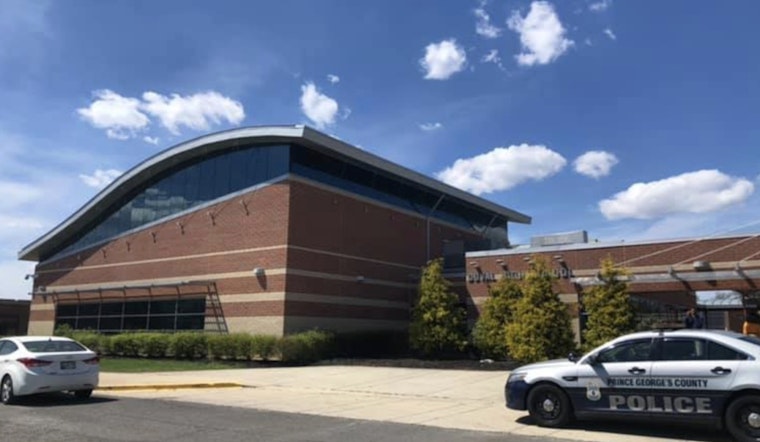
Morning routines at several Duval County middle schools now include passing through walk-through weapons detectors before heading to class. Duval County Public Schools began installing the screening systems this week and plans to have them operational at all middle schools by the end of April. Crews were on campuses Monday, and families at the first schools were briefed on the new entry procedures. District officials said the detectors are part of a broader safety strategy that also includes cameras, K-9 units, and strict locked-door policies.
Where installations began and the county schedule
According to News4JAX, installation work kicked off on Monday, Feb. 9, with units going into Springfield, Mandarin, Oceanway and Ribault middle schools this week. The outlet published a week-by-week rollout schedule that stretches through April and includes DuPont, Fort Caroline, Highlands and Kernan among the campuses next in line for the new equipment. Chief Jackson Short told the station the district’s target is to have metal detectors operating at all Duval County public middle schools by the end of April.
Short said in the interview that the detectors fit into the district’s strategic safety plan and noted that “sometimes a student brings a firearm or weapon to school just for show-and-tell or to show a kid,” even when there is no intent to hurt anyone. He also urged students to remember “B.L.U.E.” – Binder, Laptops, Umbrellas, Eye cases – as a checklist of items to pull from backpacks so alarms do not go off unnecessarily, according to News4JAX.
How the detectors work and who will operate them
The district says it is using CEIA OpenGate walk-through systems in middle schools. Officials describe the units as similar in purpose to the Evolv technology already deployed at high schools, though they come from a different manufacturer. The OpenGate scanners are portable, designed to scan backpacks and quickly identify potentially dangerous metal objects while keeping entry lines moving. School police officers, trained security staff and designated school employees will conduct the screenings, and principals are expected to alert families ahead of each installation date, according to Duval County Public Schools.
Evidence and concerns
What the detectors will actually accomplish is less clear. Research on school metal detectors is mixed: a 15-year review found there is “insufficient data” to say whether they reduce violent behavior at school and pointed out that in some studies, students reported feeling less safe when the devices were present. Critics and researchers have also flagged the high cost, logistical headaches and risk that security measures end up applied unevenly from one district to another. Background on those debates appears in a 2011 review on PubMed and in coverage by The Washington Post.
What families and students will experience
The district says every student, staff member and visitor will have to pass through a detector to enter a middle school building. If the system flags someone, staff will carry out a brief secondary search, and law enforcement will take possession of any weapon that turns up. Students will watch an instructional video before rollout so they know what to expect and what to remove from their bags, and the district warns that anyone who refuses to comply may have a guardian called and be sent home. Duval County Public Schools stresses that once everyone gets used to the process, the screenings should feel fast and routine, according to its district guidance.
Rollout timeline and what’s next
Installation teams are scheduled to move through campuses under a phased plan that runs into April and lists specific schools for each week. District leaders say they will keep an eye on how the new setup affects morning arrival times and track any weapons that are confiscated. Hoodline previously laid out the district’s phased approach in January; that January security-push preview detailed the rollout calendar and the district’s stated reasons for adding weapon detection systems. Officials are expected to release data over time, and we will be watching how the policy plays out on Duval’s middle school campuses.





