

























































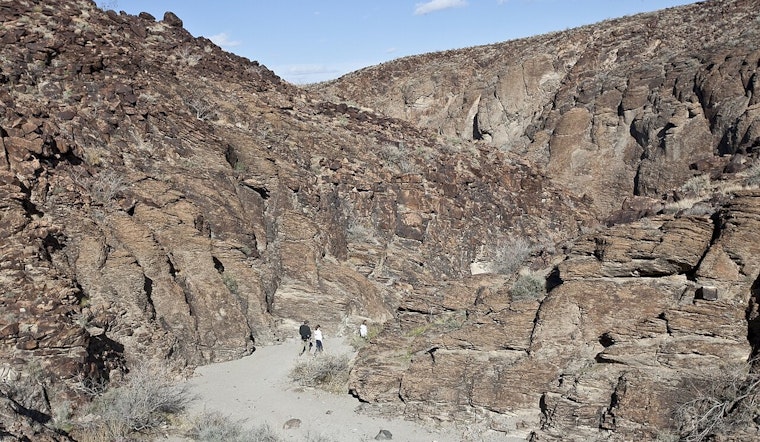
A roughly $2 billion plan to dig a Ford F‑150‑size water tunnel under one of Southern Nevada’s prized conservation areas is now one presidential signature away from reality. The U.S. Senate voted Thursday to approve a bill that would let the Southern Nevada Water Authority tunnel a major water pipeline beneath the Sloan Canyon National Conservation Area and expand that protected landscape by about 9,290 acres. Supporters say pairing the tunnel with new conservation land would give the region a badly needed second feed for a system that leans heavily on a single large pipeline.
Sen. Catherine Cortez Masto, who sponsored the legislation, cast the move as a safeguard for the valley’s taps, noting that “Right now, almost 40% of Las Vegas residents and businesses depend on the South Valley Lateral pipeline.” According to Sen. Catherine Cortez Masto’s office, the bill passed the Senate unanimously and would both authorize the Horizon Lateral pipeline and add roughly 9,290 acres to the Sloan Canyon National Conservation Area.
The Southern Nevada Water Authority says the Horizon Lateral program is designed to create redundancy and protect service for nearly a million customers in the southern valley, and that tunneling under the conservation area is the agency’s preferred alignment because it minimizes surface disruption. The Southern Nevada Water Authority notes the project would link existing treatment and distribution facilities and that avoiding an urban route through Henderson would save ratepayers roughly $200 million.
How Big It Is and Where It Would Run
Local reporting estimates the Horizon Lateral could cost between $2 billion and $2.5 billion and describes the bored tunnel as large enough to drive a Ford F‑150 through. Engineers have outlined a roughly 30 to 40 mile system that would carry Colorado River water from River Mountains treatment facilities toward the southern valley, with about eight miles running beneath the national conservation area. As reported by the Las Vegas Review-Journal, the alternative, building through Henderson streets, would be more expensive and more disruptive for residents and businesses.
Conservationists Raise Alarm
Opposition has been quick to surface from environmental advocates who do not like the idea of drilling under protected land. The Center for Biological Diversity has called the plan a threat to cultural sites and fragile desert habitat, arguing that authorizing a pipeline right-of-way through the conservation area risks setting a precedent for future industrial projects on protected public lands. The Center for Biological Diversity and other advocates have pushed for tighter protections and a full environmental review before any tunneling proceeds.
What Happens Next
With the Senate vote in the books, the bill is now headed to the president, and it will become law only if the president signs it or allows it to take effect by not acting within the constitutional presentment period. According to Congress.gov, the president generally has 10 days, excluding Sundays, after presentment to sign or veto a measure. The bill instructs the Bureau of Land Management to issue rights-of-way with conditions and forbids routing the pipeline through designated wilderness, per the bill text on Congress.gov.
If the president signs, Southern Nevada Water Authority officials say the Horizon program would move into permitting and design before any digging starts. Previous reporting and agency materials outline roughly two years of engineering and permitting followed by about two years of construction for major segments. SNWA emphasizes that the work would be funded through infrastructure and commodity charges rather than through an immediate across-the-board rate increase for customers, though the agency says long-term charges will ultimately cover the project’s cost.





.jpg)