

























































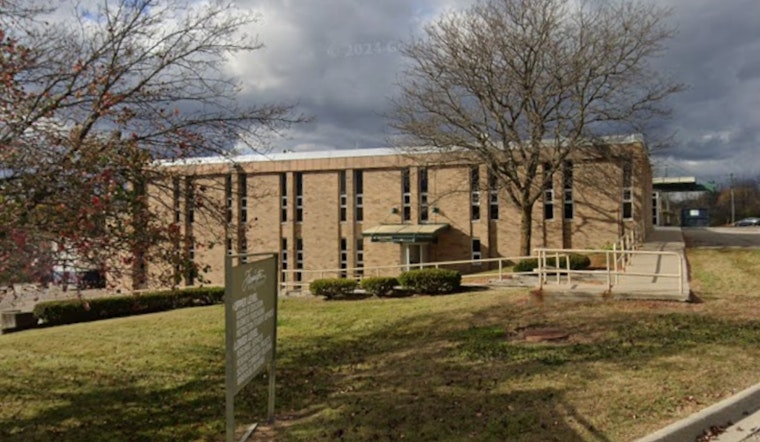
Farmington Public Schools is in the middle of a familiar Michigan school fight: district leaders say they are underfunded, while public records show overall dollars going up even as enrollment goes down. The latest flashpoint is a proposed 1.5‑mill Oakland County enhancement that Superintendent Kelly Coffin and others argue would bring in flexible, per‑pupil money for classrooms and staff. If enough districts sign on, the measure could land on the August ballot.
Coffin Pushes Regional Enhancement Millage
“Funding has remained flat even when you look at inflation,” Coffin told WXYZ, making the case that the 1.5‑mill proposal would finally give the district some unrestricted breathing room. The station reported Farmington is projected to receive about $650 per pupil if the plan passes, and Coffin said that money is meant for staff, safety measures and technology upgrades. Parents at recent school board meetings were split, with some backing new investment in schools and others openly worried about higher tax bills, according to the report.
District Records Show Spending And Aid Rose
An analysis of district audits and state data found that Farmington’s inflation‑adjusted general fund moved from about $172.2 million in 2019–20 to roughly $176.2 million in 2024–25, and state aid also climbed during that span, according to Michigan Capitol Confidential. The same review reported that federal pandemic relief surged, then fell back, and that staffing increased by about 126 full‑time positions even as enrollment dropped by roughly 318 students. The outlet said the figures come from Farmington’s audited financial reports and statewide education data.
Why Local Leaders Still Say More Flexibility Is Needed
District officials point out that a significant portion of the new revenue arrived in the form of restricted grants or one‑time federal programs, which they say cannot safely support long‑term operating costs like salaries. Farmington's Business Office posts the 2025–26 appropriations resolution and supporting budget documents online, and those records show the school board weighing one‑time projects against ongoing contract obligations while it sets next year’s priorities. Leaders argue that it is these limits on how money can be used, rather than the topline totals themselves, that are behind the push for a countywide enhancement millage.
How The Millage Would Get On The Ballot
The enhancement millage can only be put before voters if districts that enroll at least 51% of Oakland County students agree to participate, a threshold that the county intermediate school district would oversee, according to the reporting. WXYZ detailed the 51% requirement and the plan to distribute the revenue on a per‑pupil basis, while Oakland Schools outlines the ISD’s role in coordinating countywide ballot proposals. Farmington board members are expected to continue debating the enhancement at upcoming meetings as they decide whether the district will join the effort in time for the August election window.
Where This Fits In Statewide
In Lansing, recent state budget decisions have pushed overall K‑12 spending to record levels, even as districts keep arguing over how much of that money they can actually use for day‑to‑day operations, according to the Michigan Department of Lifelong Education, Advancement, and Potential. That tension, rising totals on paper versus limited flexibility in practice, is the backdrop for Farmington and other districts now weighing whether to ask local voters to sign off on another layer of school taxes.





