

























































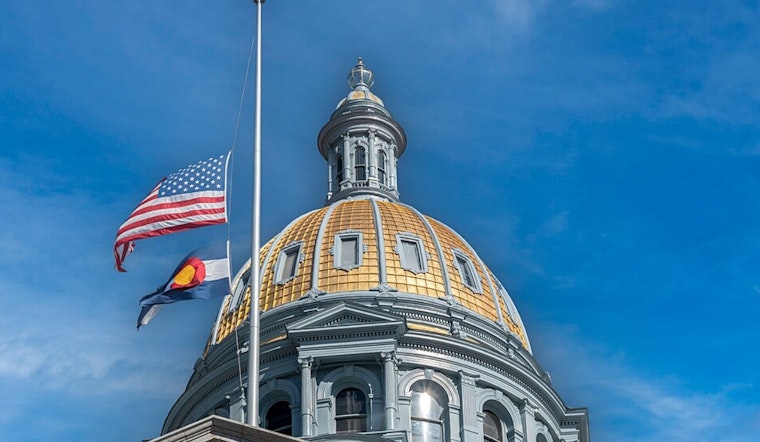
Colorado lawmakers are teeing up a high-stakes showdown over police surveillance tools, rolling out a pair of bills that would sharply restrict how officers tap into Flock and other large camera networks. The proposals would narrow everyday access to historical location databases, force agencies to log and publicly report searches, and tighten rules around when those records can be pulled. They stop short of banning the technology entirely. Supporters say the measures are overdue guardrails on civil liberties, while law enforcement leaders warn the changes could bog down investigations into stolen cars and violent crimes. Both bills are set for a Senate Judiciary Committee hearing next Monday at the Colorado State Capitol.
What SB26-070 would do
SB26-070, titled "Ban Government Access Historical Location Information Database," would largely block government agencies from dipping into databases that can reveal a person or vehicle's past locations, except in limited situations. Those location records would also be off-limits to the public under the Colorado Open Records Act. The bill lists multiple sponsors, including Sen. Judy Amabile, Sen. Lynda Zamora Wilson, and Reps. Kenny Nguyen and Yara Zokaie, and it gives the attorney general authority to enforce the rules. Any location data obtained in violation of the statute would be thrown out in court, according to the Colorado General Assembly.
SAFE Act would restrict facial recognition and deployments
The companion bill, SB26-071, known as the Surveillance Accountability and Freedom Ensured (SAFE) Act, would set statewide standards for a whole range of surveillance technologies. It would require warrants for facial recognition searches, cap how long agencies can hold on to traffic and drone footage, and require public input before new systems are rolled out. Sponsors and advocates pitch the SAFE Act as a way to create uniform rules where many cities currently have none. The package is closely tied to worries about how private databases like Flock are being used by dozens of agencies, as reported by Denverite.
Why Flock is in the crosshairs
Flock's license plate readers have spread quickly across Colorado. A company representative told reporters the system now operates in roughly 75 communities in the state, and critics argue the network effectively creates a searchable history of where motorists have been, according to Boulder Reporting Lab. Audit logs and internal reporting uncovered out-of-state searches of Denver camera data that cited "ICE" or "immigration" as the justification, prompting Denver police to shut off the national lookup feature last spring, according to KUNC. That uproar has pulled mayors, city councils, and civil liberties advocates into a broader fight over whether the public safety benefits are worth the privacy tradeoffs, as highlighted by groups including the ACLU of Colorado.
Police and city leaders push back
Police officials counter that the bills threaten to sideline one of their most effective modern tools. Colorado Springs, for example, has announced plans to nearly triple its automated license plate reader network, and the city's police chief has praised the cameras as a key weapon against auto theft, according to local coverage of the expansion. Some mayors and police unions have told lawmakers that adding a warrant requirement for routine database searches would slow investigations and strip patrol officers of quick leads, according to reporting from KKTV.
Legal mechanics lawmakers built in
Both measures come with a series of procedural guardrails. Agencies would need to adopt written policies, require supervisor approval before running searches, keep detailed logs of who accessed the systems and for what reason, and submit regular reports to the Legislature. Violations could trigger penalties, and any data collected outside the rules could be ruled inadmissible in criminal trials. Those enforcement and transparency provisions are written into the SB26-070 text and summary on the legislative website, and sponsors say they are meant to strike a balance between civil liberties and investigative needs, according to the Colorado General Assembly.
What's next
Both bills are headed to the Senate Judiciary Committee for public testimony next Monday, where supporters and opponents are expected to haggle over carveouts and amendments. If the measures clear the legislature and are signed into law without a safety clause, they would kick in around August 2026, a timeline that could force many Colorado cities to reopen surveillance contracts and rewrite local policies, according to legislative trackers. Lawmakers are bracing for a heated hearing and potential revisions as they try to thread the needle between stronger privacy protections and the tools police say they rely on.





