

























































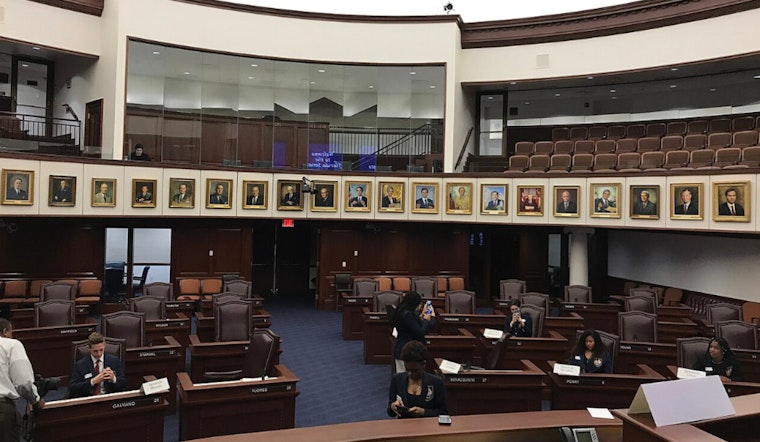
The Florida Senate on Wednesday unanimously signed off on a plan that would let unpaid volunteers carry guns as security at churches, mosques, synagogues and other houses of worship without getting the professional security license Florida normally requires. Backers say it is a lifeline for small congregations that cannot afford off-duty officers or private security firms, while critics warn it could turn lightly trained parishioners into de facto cops in sacred spaces.
What the bill would change
CS/SB 52, titled "Security Services at Places of Worship," creates a new carveout in Florida’s private security law so that volunteers providing armed security on religious property would not have to obtain Chapter 493 licensure. The exemption would only apply if those volunteers were operating under an armed security plan approved by the county sheriff, cleared a Level 2 fingerprint-based background check, held a valid Florida concealed-weapon or concealed-firearm license, and received no compensation, according to The Florida Senate.
How it moved through the Capitol
The proposal cruised through its committee stops this winter before landing on the Senate floor, where it passed on a 39-0 vote. From there it was certified and sent across the rotunda to the House. Legislative trackers currently list the bill as engrossed and "In Messages" to the House, while a companion measure, HB 95, has been moving on its own track, according to LegiScan.
Supporters and critics
Sen. Don Gaetz, the bill’s sponsor, told Florida's Voice he regretted that such a measure was needed at all, but argued that congregations deserve a clear legal path to organize volunteer security teams. "This is a bill that I hoped I would never have to sponsor," he said.
Supporters, including some faith leaders and gun-rights groups, say the legislation clarifies a legal gray area and offers practical help to smaller houses of worship. On the other side, some clergy and lawmakers have warned that the approach could change the feel of worship spaces and have argued that minimum training standards should be on the table, concerns highlighted in coverage by FOX 13 Tampa Bay.
Legal and liability questions
The bill would add a new subsection to section 493.6102, carving volunteer armed security at religious sites out of the state’s licensing chapter. If it becomes law, the change is set to take effect July 1, 2026. The Senate’s committee analysis spells out the Level 2 background screening, the requirement for a sheriff-approved security plan and the specific carveout language, and it also notes unresolved questions about training, insurance and civil liability that some lawmakers and faith leaders argue the Legislature still needs to sort through, according to the Senate's committee analysis (PDF).
Next steps for congregations
With the Senate’s work done, the bill now rests with the House, where its companion, HB 95, has landed on the calendar as lawmakers decide how to proceed. If both chambers ultimately pass the same language, the measure would head to the governor ahead of its July effective date.
In the meantime, congregations that are thinking about forming volunteer security teams are being urged to work closely with their county sheriff’s office, put any security plan in writing, and seek out formal training and liability coverage while state lawmakers and local officials continue to work through the finer points, guidance local outlets have echoed, per WFTV.





