

























































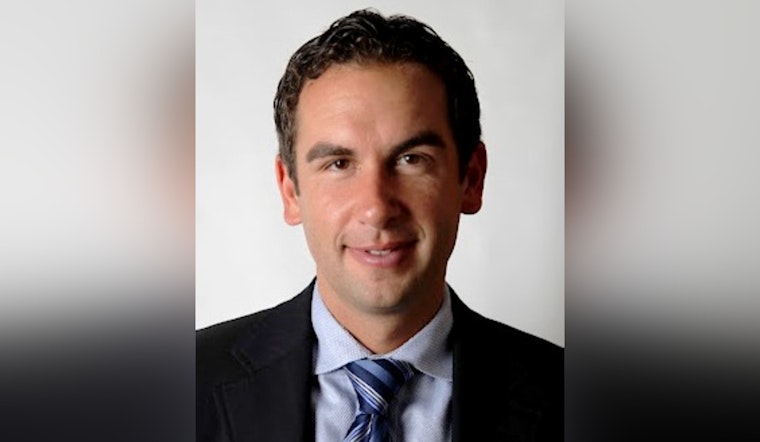
Steven Fulop has quietly started remaking the Partnership for New York City, pitching what amounts to a centrist reboot of the powerful business group as it adjusts to Mayor Zohran Mamdani's election. The former three-term Jersey City mayor is promising a tighter, more disciplined membership and a sharper public message meant to turn corporate clout into political leverage. It is a clear break from the Partnership's more scattershot approach in recent years.
As reported by Crain's New York Business, Fulop said he wants the Partnership to be "the premiere centrist advocacy organization" and laid out a three-part playbook of money, message and membership. Crain's notes that he is targeting 30 to 40 recognizable companies, tightening who gets in and changing dues, a shift that could edge out smaller firms. The outlet also reports that the group launched a $10 million advocacy arm last year as it tried to become more politically active, and that the Partnership's co-chairs and other business leaders supported the overhaul after critics blasted the group as politically unfocused during last year's mayoral primary.
Fulop formally took over in January after a months-long search, stepping in after Kathryn Wylde's roughly two decades at the top of the organization. Bloomberg reported that several of the city's biggest CEOs, including Albert Bourla and Rob Speyer, led the hunt for a new leader. Fulop departs Jersey City after three terms and an unsuccessful campaign for New Jersey governor last year, and supporters argue that his city hall experience and fundraising network sit at the center of his strategy.
Membership and Muscle
The Partnership describes itself as a nonprofit that brings together more than 300 corporate, investment and entrepreneurial firms, with members that support nearly one million jobs and about $263 billion in annual economic output, according to the group's website. That concentrated payroll gives the organization outsize sway in debates over taxes, public safety and infrastructure at City Hall. Fulop's bet is that a leaner roster and a centrist pitch can turn that economic footprint into a single, coordinated lobbying voice instead of a loose mix of competing corporate wish lists.
Politics and the Mayor
Fulop says he has a cordial, working relationship with Mayor Zohran Mamdani and that their talks began before Mamdani took office. He casts that posture as pragmatic more than ideological, and has repeatedly stressed that his leadership of the Partnership is not meant as a direct reaction to Mamdani's win, even as business leaders and the new administration feel out each other's limits. His early interviews and public comments were covered by NY1.
Tightening the Club
Inside the organization, Fulop's changes focus on concentrating money and message. His argument is that higher dues and tougher entry standards will let the Partnership speak with one voice. Critics see a different risk, warning that a narrower membership could push smaller firms and civic partners off a platform they have long relied on. The tension is simple enough. Can the group hammer out consensus on taxes, policing and affordability while trimming the guest list, or does a smaller table mean fewer perspectives and more blind spots?
Fulop and his team say they will spend the coming months recruiting marquee corporate names and sharpening the Partnership's policy priorities. Success will not be measured by how many companies sign checks, they argue, but by whether the group starts to shape outcomes in Albany and at City Hall. For now the wager is clear. A few louder members, or a bigger tent that speaks more softly.



