

























































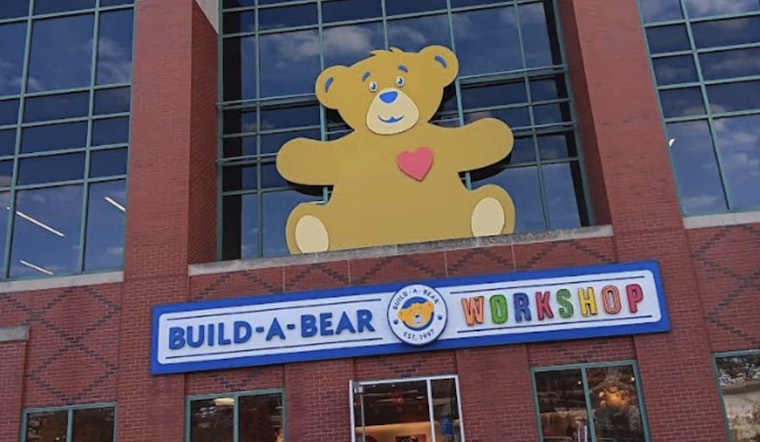
The fur is flying at Build-A-Bear's hometown flagship in St. Louis, where workers say several staffers were fired after they organized a union, according to a complaint filed with federal labor regulators. The core dispute is whether those terminations were retaliation for a unanimous union representation vote in mid-January, putting the retailer’s Union Station shop into an early legal showdown over worker organizing at its own marquee store.
Employees first petitioned in December to join United Food & Commercial Workers Local 655, asking the company to voluntarily recognize the union, according to Labor Tribune. Organizers said they believed voluntary recognition would speed up contract talks, and they began preparing for a formal election process when the company did not grant that recognition.
An unfair labor practice complaint filed on behalf of the workers alleges that Build-A-Bear terminated at least one organizer the day before the vote and later dismissed additional staff, St. Louis Post-Dispatch reports. The complaint names an assistant manager who was fired on Jan. 14 and states that the company cited violations of an employee-purchase policy as the official reason for the dismissal.
NLRB tally and certification
The National Labor Relations Board's public case page shows that the representation petition for the Union Station shop was filed in December. An initial tally issued Jan. 15 recorded eight votes for union representation, and a certification of representative was entered on Jan. 26. The docket lists the Union Station address at 415 S. 18th St. and identifies UFCW Local 655 as the union to be certified. NLRB records provide the official timeline and documents.
What workers say they want
Organizers told the union they were seeking "better pay, better safety, better communication and a chance to make a career," according to Labor Tribune. Workers have also pushed for limits on sudden transfers and clearer scheduling for part-time staff, issues they say helped drive the decision to organize at the Union Station store.
Company response and policy reminders
Build-A-Bear and its outside counsel did not provide a statement for this story. The St. Louis Post-Dispatch reports that the company’s attorneys at Thompson Coburn declined comment or referred questions to in-house counsel.
Shortly after the organizing drive began, the company circulated an internal reminder about its Bonus Club program and employee purchase rules. Union representatives have called that timing suspicious and potentially a pretext for discipline. The St. Louis Post-Dispatch has the account of those internal messages.
Legal implications
If the NLRB finds the terminations were motivated by protected union activity, the agency can require remedies that include reinstatement, back pay and orders to bargain in good faith. The board's procedures outline how unfair labor practice complaints are investigated and what remedies it can seek when employers unlawfully interfere with organizing. See NLRB for the representation documents and next steps in the case.
How this fits a bigger trend
The organizing effort at the Union Station shop is notable because it unfolded at Build-A-Bear’s hometown location and, organizers say, would mark the first store in the chain to win union representation. It is also part of a broader push by retail workers who have been pressing for store-level unions across the country, a pattern highlighted in trade coverage of recent retail union "firsts." Retail Brew and other outlets have documented similar campaigns.
Union leaders say they will continue pressing charges and pursue bargaining while the NLRB reviews the complaint, and any hearings or settlements will determine whether dismissed employees are reinstated. For a brand born in St. Louis, the battle at the Union Station shop is likely to be watched closely by local labor advocates and customers as the process moves forward.



