

























































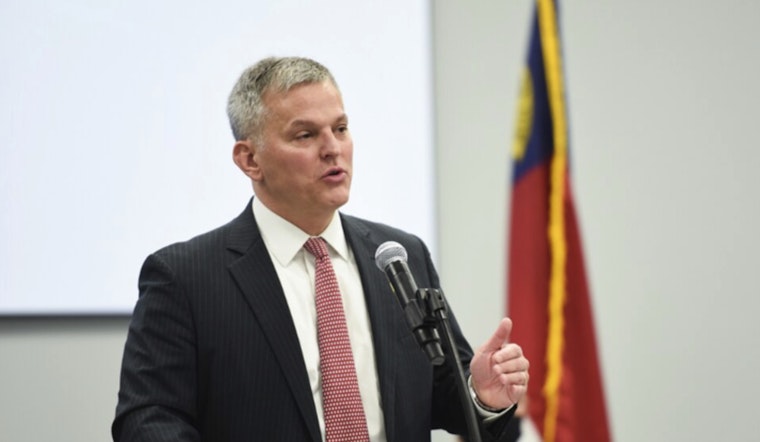
California's battle with water infrastructure and safety issues has found renewed vigor with Governor Josh Stein's latest announcement. The state will allocate a hefty sum of over $472 million towards improving drinking water and wastewater systems across numerous counties, according to a recent press release by the Governor's Office. This move is designed to provide a direct response to the issues caused by catastrophic events such as Hurricane Helene which left many without clean water, reinforcing infrastructure to endure future calamities.
"After Hurricane Helene, tens of thousands of North Carolinians were without access to clean and reliable water for weeks. Upgrading our state’s aging water infrastructure must be a priority," Governor Stein said, addressing the pressing necessity of the investment. The funding aims to support projects that range from sewer system improvement to contamination removal, and lead pipe replacement spread across 66 counties within the state. Among the funded initiatives, projects like the one by the Cape Fear Public Utility Authority, which will see an infusion of $17.8 million for their wastewater treatment plant, stand to make a substantial impact.
The Department of Environmental Quality, as part of this drive for improvement, emphasized the importance of such infrastructural advances. DEQ Secretary Reid Wilson expressed, "Families and businesses expect and deserve safe water when they turn on the tap." The sentiment underscored by this initiative aligns with the expectations of the public for dependable and uncontaminated water supplies. Details of these projects paint a picture of a diverse approach to tackling the issues head-on—ranging from Wayne County's effort to eradicate forever chemicals to Avery County's resilience projects aimed at safeguarding drinking water, as per the Governor's Office.
Approval for these funds came during the State Water Infrastructure Authority's Feb. 18 meeting, an independent entity that governs the awarding of federal and state funding for such essential projects. Funding sources for this round include a variety of programs like the State Revolving Funds, which supply low-interest loans for water projects, and the Viable Utility Reserve grants, designated for districts marked as distressed to push them toward viability. The upcoming spring 2026 funding round announced by the Division of Water Infrastructure opens applications on February 23, with a final deadline on April 30, encouraging local entities to jump on board this growing movement to ensure a more secure water future for North Carolinians.
It's not just about immediate improvements but also about equipping those responsible for maintaining these systems with the knowledge they need. The Division of Water Infrastructure is set to provide in-person training sessions across various locations, starting from Hickory to Greenville, and concluding at Research Triangle Park/Durham. Additionally, a virtual session will also be made accessible on March 4 with a recording available later, testament to the state's commitment to not just funding projects, but educating for better management and execution of water system operation. As North Carolina grapples with the ongoing process of reinforcing its water infrastructure, these financial outlays and training efforts act as a bridge to a sturdier, more reliable tomorrow for its cities and its people.





.jpg)