

























































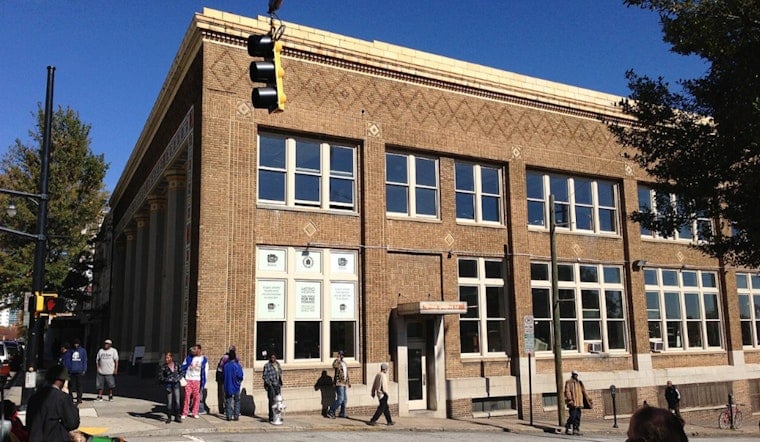
Two city-approved overdose prevention centers in Upper Manhattan remained open during New York’s coldest weekend, providing a safe and heated space for visitors and allowing staff to respond to potentially dangerous drug use. The extended hours coincided with the city’s activation of enhanced Code Blue protocols and the expansion of warming centers, buses, and outreach teams. OnPoint NYC operated the two drop-in sites in East Harlem and Washington Heights as part of this effort.
According to Crain's New York Business, OnPoint's two locations recorded almost 850 visits over the freeze and logged about 150 overnight stays each night as the program ran around the clock for the first time. The report says the city extended an emergency arrangement so the drop-in centers could add shifts and accept people overnight. OnPoint's executive director, Sam Rivera, told reporters that of the 17 people who died during the cold stretch, three or four appeared to have died of overdoses.
City Orders Centers To Stay Open 24/7
Mayor Zohran Mamdani's administration formally kept the two overdose prevention centers open 24 hours a day as part of a wider emergency response that included reopening public schools as warming centers and deploying dozens of mobile warming vehicles. The mayor's press release notes the city operated roughly 62 warming sites and vehicles and ramped up outreach workers and peer teams to bring people indoors. City officials framed the move as a necessary public-health intervention to reduce hypothermia and overdose risk during the deep freeze, according to the Mayor's Office.
OnPoint's Scale And Lifesaving Track Record
OnPoint's impact reporting shows the two centers have connected more than 7,000 people to services and recorded over 2,000 overdose interventions since launching in November 2021. The nonprofit reports hundreds of thousands of utilizations and says most overdose interventions do not require EMS, underscoring the program's hands-on supervision model. Those long-term figures were part of the rationale staff gave for expanding hours during the emergency, according to OnPoint NYC.
Weekend Toll And Frontline Response
Local reporting and city data show the cold spell was deadly, with officials reporting at least 17 outdoor deaths as temperatures plunged. Staff and advocates say the overnight openings gave people safer alternatives to sleeping outside and created opportunities to treat overdoses on site and connect clients to housing and medical care. Those accounts appeared alongside continuing street outreach and coverage of the cold emergency in local news reports, which documented the scale of the crisis and the city's stepped-up response.
Funding And The Short-Term Fix
OnPoint lists both philanthropic and public funders on its financial page, and its impact reporting credits private support for much of the program's expansion. The city's emergency contract allowed the nonprofit to add overnight shifts for the freeze, a stopgap the organization and officials described as essential but temporary; OnPoint NYC lists major supporters while Crain's described how the short-term funding was arranged. Advocates and some lawmakers say the weekend raises questions about sustainable financing for around-the-clock harm-reduction services beyond crisis moments.
For now, staff and outreach teams say the overnight experiment bought people safety and time in brutally cold conditions, even as city leaders weigh how to fund emergency escalations in the future. The weekend crystallized a recurring policy question: will the city build durable systems for around-the-clock care, or rely on one-off contracts when weather or other crises demand it?



