

























































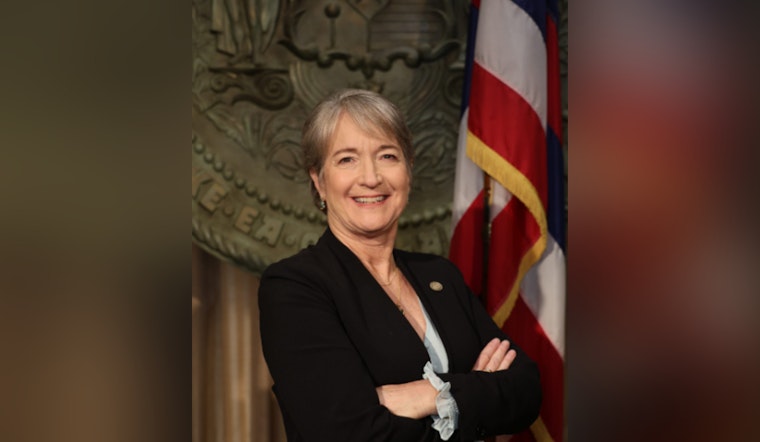
Hawaii Attorney General Anne E. Lopez is leading a bipartisan coalition of 40 state and territorial attorneys general urging Congress to strengthen, rather than weaken, online protections for children. On Tuesday, they sent a letter advocating for passage of the Senate’s Kids Online Safety Act and opposing a House version they say could limit state authority. The group frames the issue as one of public health and consumer protection, emphasizing that federal rules should set minimum standards while preserving states’ ability to hold tech platforms accountable.
According to the letter, available on Scribd, the attorneys general explicitly back the Senate version of KOSA (S.1748). They say that bill includes a duty-of-care standard and preserves states' authority to strengthen protections. The letter, dated Tuesday and addressed to congressional leaders, warns that H.R.6484 "contains expansive preemption language" that would limit states' ability to respond to new online harms. It was signed by attorneys general from 40 states and territories and circulated as lawmakers weigh competing bills.
California Attorney General Rob Bonta's office, in a release supporting the effort, notes that the Senate bill "preserves states’ authority" while adding a duty-of-care requirement and expanding listed harms to include suicide, eating disorders, compulsive use and financial harms. The California Attorney General's Office says the Senate text is designed so that state and federal authorities can work in tandem instead of shutting down state-level protections. Bonta, who joined the coalition, pointed to recent state investigations and laws targeting platform features that foster compulsive use.
House Bill's Preemption Raised Alarms
The House text includes an explicit "Relationship to State laws" section that, in its current form, would bar states from enforcing or maintaining laws that "relate to the provisions of this Act," according to the bill text on Congress.gov. That provision is at the heart of the attorneys general's objection. They argue it could undo existing state safeguards and hamstring future laws designed to protect minors, leaving families with a weaker federal baseline and fewer local remedies.
Lopez has framed the push as an extension of work already underway in the states. "Hawaiʻi and other states have led the way," she said, urging Congress to back a version of KOSA that lets states keep bolstering protections for keiki, as reported by Big Island Now. The coalition includes Republican and Democratic attorneys general from across the country.
Legal Implications For Enforcement
For enforcers on the ground, the legal stakes are concrete. The Senate bill creates a clear duty-of-care and preserves state enforcement pathways, while the House bill's language could limit states' ability to pursue parens patriae suits or other enforcement actions. The Senate text on Congress.gov outlines both a duty-of-care standard and a role for state enforcement alongside federal action, which explains why many attorneys general favor the Senate approach. That split, a federal baseline versus broad preemption, is likely to shape negotiations if KOSA advances.
The letter landed on congressional leaders' desks as members of the House Energy and Commerce Committee and the Senate Commerce Committee weigh their options, and the coalition of attorneys general is hoping to tilt the scales toward the Senate bill. For now, the move puts Hawaii at the center of a national fight over how far federal law should go in policing design features that research links to youth mental-health harms. Lawmakers in both chambers now face pressure to reconcile competing texts while keeping effective state tools intact.




