

























































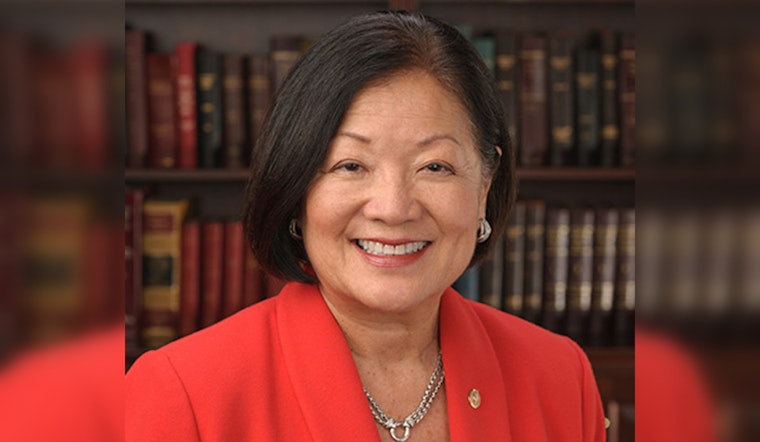
On Tuesday, U.S. Sen. Mazie Hirono joined a bloc of senators in a sharply worded letter demanding that federal immigration and health officials stop enforcement actions targeting children and account for a series of recent policy shifts. The group argues those changes have lengthened kids' time in custody and chipped away at safeguards meant to protect young migrants. The letter also serves as an opening push for transparency, as senators seek documents, training manuals and hard numbers to explain what is happening on the ground.
Senators Press Agencies For Answers
Dated last Wednesday, the letter, signed by Hirono, Ed Markey, Jeff Merkley and eight other senators, went to Attorney General Pam Bondi, DHS Secretary Kristi Noem, HHS Secretary Robert F. Kennedy Jr., acting ICE Director Todd Lyons and EOIR Director Daren Margolin, according to Hirono.senate.gov. The senators gave the agencies until Thursday next week to hand over internal guidance, counts of children transferred into the Office of Refugee Resettlement (ORR) since January 2025, training materials for so-called “wellness checks” and other records spelling out recent operational changes. That deadline underscores what the lawmakers describe as an urgent need to determine whether child-care systems are being retooled to serve immigration enforcement.
What The Letter Alleges
In the body of the letter, the senators write that “DHS and ICE are intent on detaining and removing children from the country without regard for constitutional or statutory protections,” pointing to a series of agency decisions they say fit that pattern. They flag expanded ORR data-sharing, home visits labeled as wellness checks and other practices that, in their view, have resulted in children being returned to federal custody or placed into removal proceedings. The full text of the letter, along with its detailed questions, is publicly available in the senators' filing.
Numbers That Alarmed Lawmakers
The lawmakers cite reporting and government data to back up their concerns, focusing on sharp increases in detention times along with new spikes in placements and removal orders. Investigative accounts describe record numbers of children sent to federal shelters and longer average stays in federal care, trends tracked by ProPublica and advocacy groups. The senators also point to thousands of very young children receiving removal orders in recent months, a statistic that both local coverage and the letter itself highlight as they press agencies for explanations.
Why Senators Say It Is Urgent
Critics argue that several recent moves blur the traditional line between child welfare and immigration enforcement, including reports that ICE and other DHS staff have been granted access to ORR databases and that armed federal agents have been dispatched to conduct welfare or wellness checks at children's homes. Coverage by outlets including NPR/KQED and the Los Angeles Times has documented those tactics and the fear they have stirred among families and advocates. In their letter, the senators ask for training materials, internal memos and a breakdown of how often wellness checks have led to ORR transfers or separations from sponsors.
Hawaii Angle And What Comes Next
Hirono has made immigration policy a recurring priority: she previously introduced the Reuniting Families Act and is listed as a cosponsor on legislation described as the Upholding Protections for Unaccompanied Children Act, according to Congress.gov and related bill records. The Feb. 26 deadline for agency responses is shaping up as a key test. If the documents do not arrive, the senators say they are prepared to pursue additional oversight and legislative action. For Hawaii readers, the fight marks another example of Hirono using her Senate perch to weigh in on national immigration battles with very real consequences for local families.





