

























































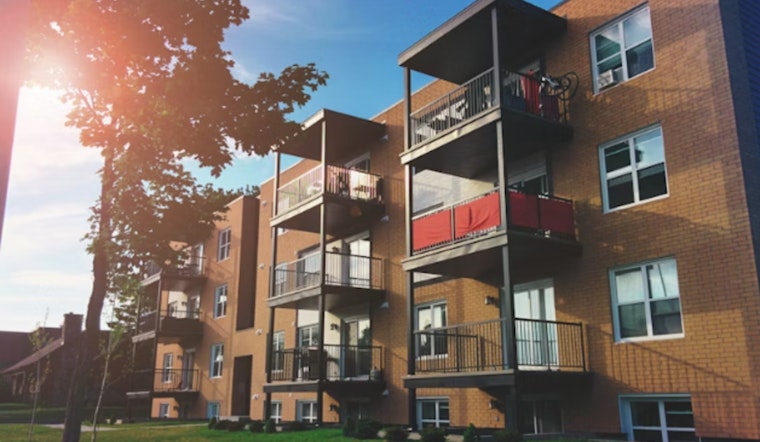
Developers using public funds to build affordable rentals may soon be required to reinvest extra profits into new housing rather than keeping the earnings, under SB2194, a proposal described as inspired by the "Vienna model." Advanced on Tuesday by the Senate Committee on Housing, the bill aims to tighten eligibility for the state’s Rental Housing Revolving Fund, ensuring that the funds continually support the creation of additional affordable units instead of being diverted as developer profits.
Committee moves bill toward second reading
The Senate Committee on Housing voted unanimously to recommend SB2194 for second reading, with Chair Sen. Stanley Chang joined by Sens. Troy Hashimoto, Brandon Elefante and Karl Rhoads. Chang cast the measure as a way to stop developers from walking away with a "windfall profit" instead of using public support to build more units, according to Maui Now.
What the bill would change
SB2194 would restrict eligibility for Rental Housing Revolving Fund awards to government agencies or organizations that are legally obligated to reinvest any financial surplus, aside from development fees, back into housing construction. The bill's findings cite the state's 2006 purchase of Kukui Gardens for $132.5 million as a touchstone example and note that roughly 15,000 affordability restrictions across the islands are set to expire by 2100, according to the bill text on LegiScan.
Why supporters invoke the Vienna model
The "Vienna model" centers on limited-profit housing associations that can generate a surplus but must funnel those funds into building or preserving more affordable homes instead of distributing profits to owners. Sen. Chang has promoted ALOHA Homes and limited-profit housing ideas as part of that broader strategy. Supporters say this kind of setup turns public investment into a self-sustaining development cycle, while analysts warn it will have to be carefully tailored to Hawaii's existing financing tools and housing market realities. Background on the approach and Chang's plan is available from Sen. Chang's office.
State housing agency raises concerns
Hawaiʻi Housing Finance & Development Corp. Executive Director Dean Minakami told lawmakers he is concerned that requiring "all" surplus to be reinvested could narrow the pool of eligible applicants and threaten the financial stability of smaller nonprofits. He suggested that legislators consider a specific reinvestment percentage or clearer parameters that would hold projects accountable without making it impossible for organizations to keep their doors open, according to Maui Now.
Next steps and stakes
The measure now heads to the powerful Senate Ways and Means Committee, where senators will have to decide how strict they want to be about reinvestment rules and how the policy would work in practice. The Rental Housing Revolving Fund is administered by the Hawaiʻi Housing Finance & Development Corporation and currently provides low-interest equity-gap loans to qualified projects, according to HHFDC. Lawmakers, housing providers and nonprofits will be watching Ways and Means to see whether it keeps tight reinvestment requirements or moves toward a compromise that preserves enough financial room for developers and nonprofits to keep building.





