

























































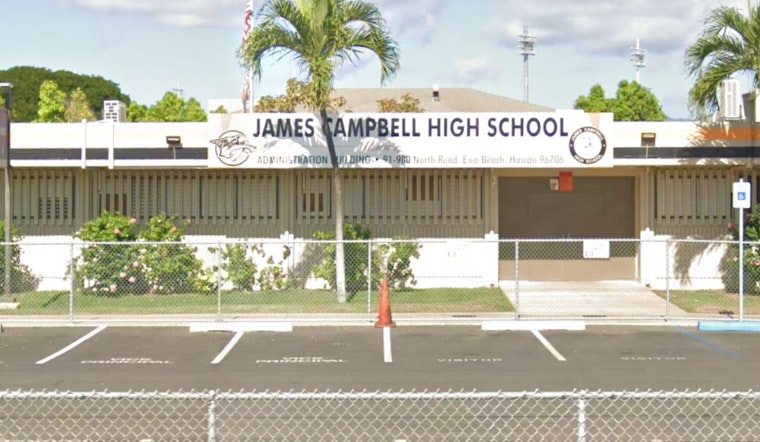
The state of Hawaiʻi is moving to cut a $400,000 check to resolve a lawsuit that says Campbell High School failed to protect a student who was raped by a volunteer coach during a 1979 canoe‑club trip to Hilo. Filed during a short revival window for decades‑old abuse cases, the claim says the coach supplied alcohol and marijuana to students and that the trip had almost no real adult supervision. If lawmakers sign off, the payout would come from state funds and slide into a growing stack of long‑dormant abuse cases that have resurfaced across the country.
What the lawsuit alleges
The complaint names former volunteer coach Jonathan Kiaha, accusing him of handing out alcohol and marijuana at a post‑race dance in Hilo and then raping a 15‑year‑old student while she was intoxicated. It says police arrested Kiaha after the assault. The suit also claims Campbell’s faculty advisor barely oversaw the trip, leaving students to juggle key planning and chaperone duties, and contends the campus environment “became threatening, dangerous and grossly dysfunctional.” The case was filed in 2020, and the state now plans to close it out with a $400,000 payment, according to Honolulu Civil Beat.
Why the claim resurfaced
The lawsuit landed in court after lawmakers briefly reopened a look‑back window that let adults sue over childhood sexual abuse even after civil deadlines had long expired. Tracking groups and legal summaries have noted that Hawaiʻi’s revival windows covered years between 2012 and 2020, giving time‑barred claims a second life. Lawmakers later extended those civil deadlines again in 2024 to give survivors more time to file, as reported by Hawaiʻi Public Radio.
New safeguards and the registry
In the wake of past failures, the state has moved to tighten screening and oversight of adults who work with students. Lawmakers created a statewide Harm to Students Registry (Act 156) to list employees, contractors or volunteers with substantiated findings that they harmed students. The registry, along with updated procurement rules, is meant to keep people found to have harmed students from quietly resurfacing in school roles on another island, according to the Hawaii State Legislature. Fingerprint‑based criminal history checks used in certifying and hiring educators are run through the state’s criminal‑history system, per the Hawaii Criminal Justice Data Center and state licensure rules.
Why taxpayers are watching
On its own, $400,000 is not a blockbuster settlement, especially compared with some eye‑popping abuse payouts elsewhere. But budget watchers are paying attention because similar look‑back windows in other states have led to massive liabilities. Courts and legislatures have wrestled with multi‑million and even multi‑billion dollar totals after old claims were revived, putting serious pressure on school districts and local governments. Reporting from CalMatters details how these reopened windows have triggered large settlements and sparked political fights over who ultimately picks up the tab.
Survivor impact and legal notes
Attorney Randall Rosenberg, who represents the anonymous plaintiff, says the attack left his client living for decades with severe stress and anxiety. He told Honolulu Civil Beat that she continues to experience trauma tied to the incident. By agreeing to settle, the state avoids a drawn‑out trial and the uncertainty that comes with it. Advocates, though, say the case is another reminder that gaps in volunteer oversight can have consequences that linger for a lifetime, for both survivors and the communities that failed to protect them.





