

























































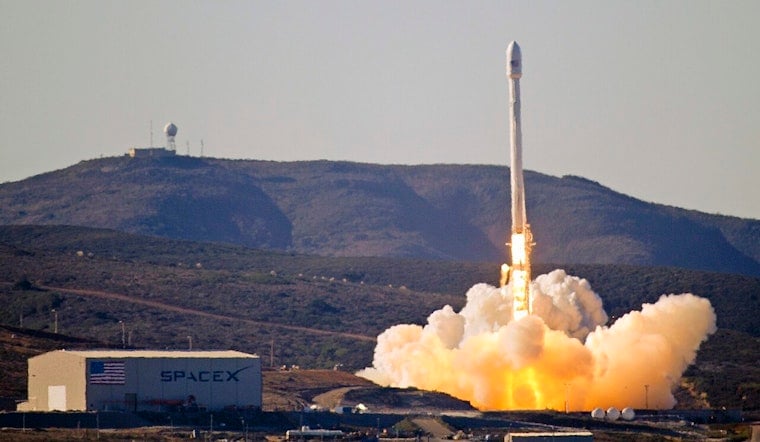
SpaceX’s Hawthorne headquarters just got pulled into a Washington dust-up, as two U.S. senators are pressing the Pentagon to dig into claims that investors tied to China quietly bought into the rocket and satellite giant. They are framing it as a national security issue, since SpaceX launches military and intelligence satellites and operates Starlink, the satellite network relied on by the U.S. military and its allies. For Los Angeles County, that scrutiny lands right in the neighborhood, with the Hawthorne facilities and launch operations potentially facing closer oversight and follow-up.
According to Reuters, Senators Elizabeth Warren and Andy Kim sent a letter to Defense Secretary Pete Hegseth asking the Department of Defense to spell out how much, if any, Chinese ownership is in SpaceX. They also want the Pentagon to say whether foreign-ownership mitigation, known as FOCI, should apply, and whether the Committee on Foreign Investment in the United States, or CFIUS, ought to review the investments in question. The senators gave the Pentagon a deadline of February 20 to respond.
The letter leans on media reports and court testimony suggesting some investors may have routed money through entities in the Cayman Islands and British Virgin Islands to obscure their purchases. Court records from a Delaware Court of Chancery decision, described in public filings and summarized on Justia, show a fund manager removed a Chinese investor and returned about $50 million in a related matter.
FOCI, short for foreign ownership, control or influence, is at the core of the senators’ concern, since that framework is meant to keep foreign interests from getting access to sensitive defense work. The Defense Counterintelligence and Security Agency explains how FOCI reviews can lead to security agreements, mitigation plans or other steps to protect classified programs (DCSA).
SpaceX, xAI and Why It Matters
The lawmakers also pointed to SpaceX’s recent consolidation with Elon Musk’s AI venture xAI, arguing that rolling AI, social-data assets and satellite infrastructure into one private operation raises the stakes of any foreign investment. That move was widely covered this month in reporting on SpaceX’s acquisition of xAI and the broader corporate reshuffle, as noted by KSL.
What Could Happen Next
The Pentagon could run an internal review and, if it finds troubling foreign ties, either impose its own mitigation steps or kick the matter over to CFIUS. That interagency committee can investigate, demand mitigation or, in extreme situations, recommend blocking deals or forcing divestment. The Department of the Treasury’s public guidance lays out CFIUS enforcement tools and possible penalties for undisclosed or problematic foreign investments (Treasury).
SpaceX did not immediately respond to requests for comment, according to reporting first carried by the Honolulu Star-Advertiser and echoed in related coverage. With the February 20 deadline approaching, lawmakers and national security officials will be watching to see whether the Department of Defense decides to open a formal review and how deep it is prepared to dig into Hawthorne’s star player.





.jpg)